Filed Under: News with 0 Comments
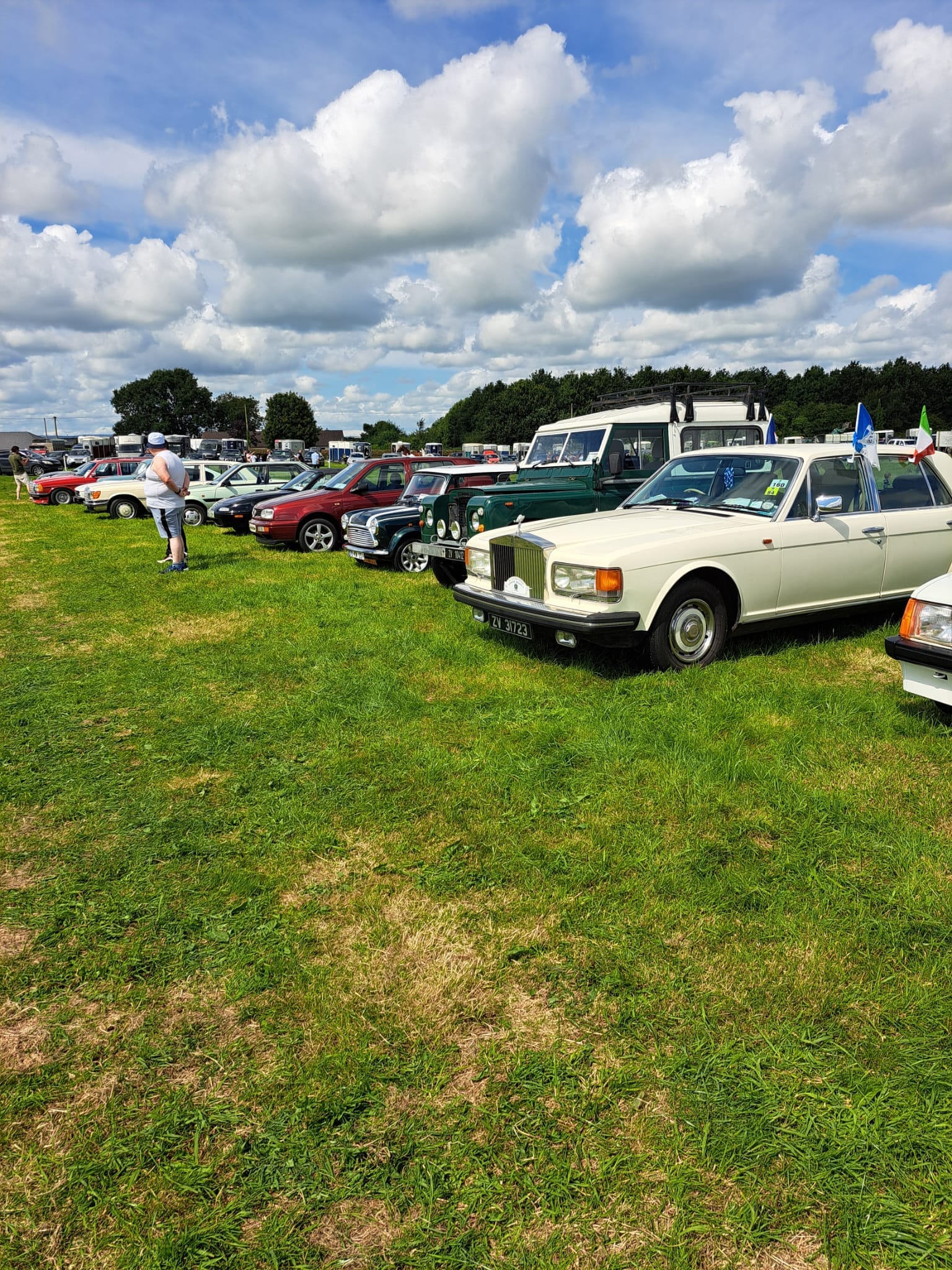
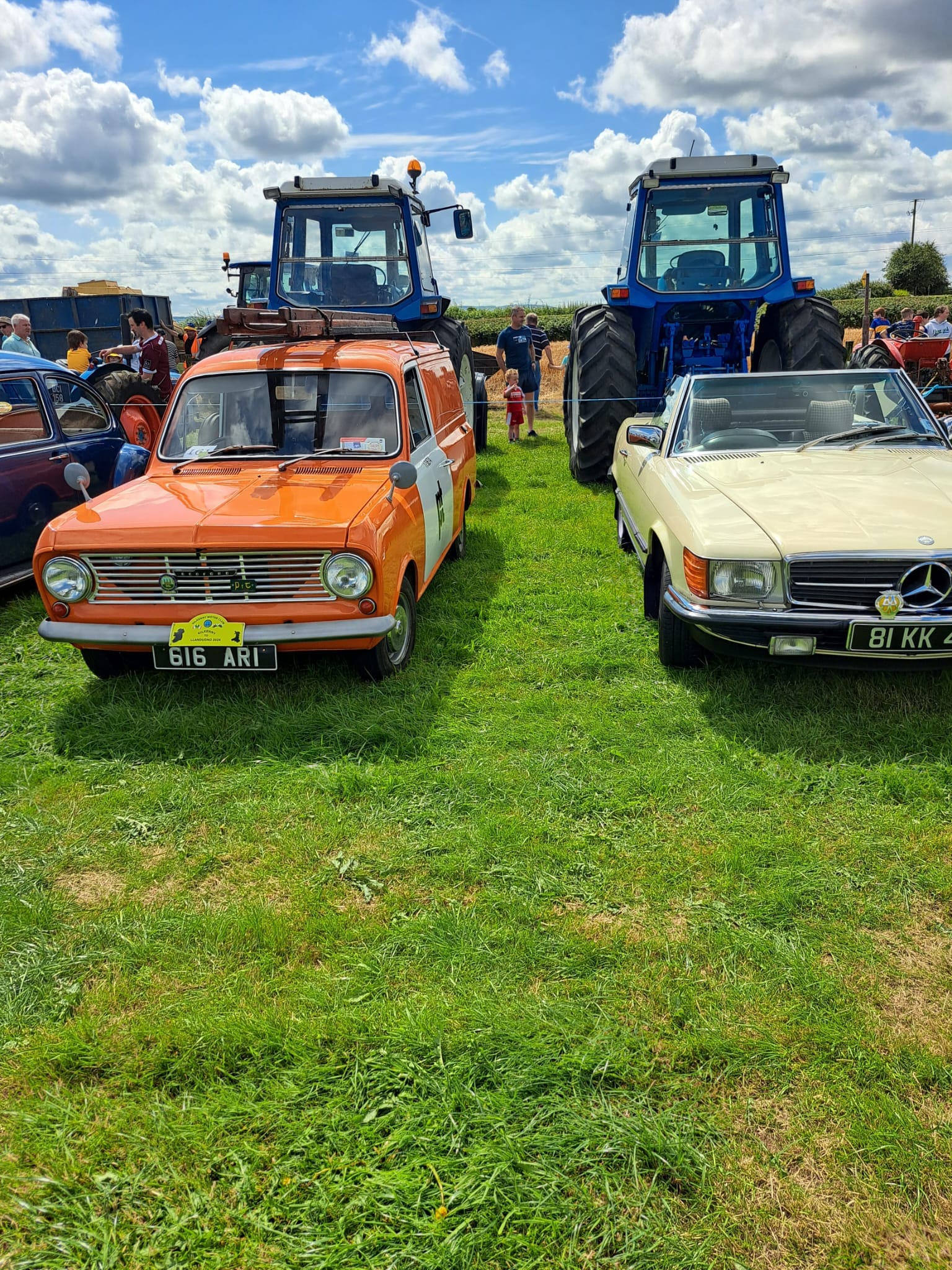
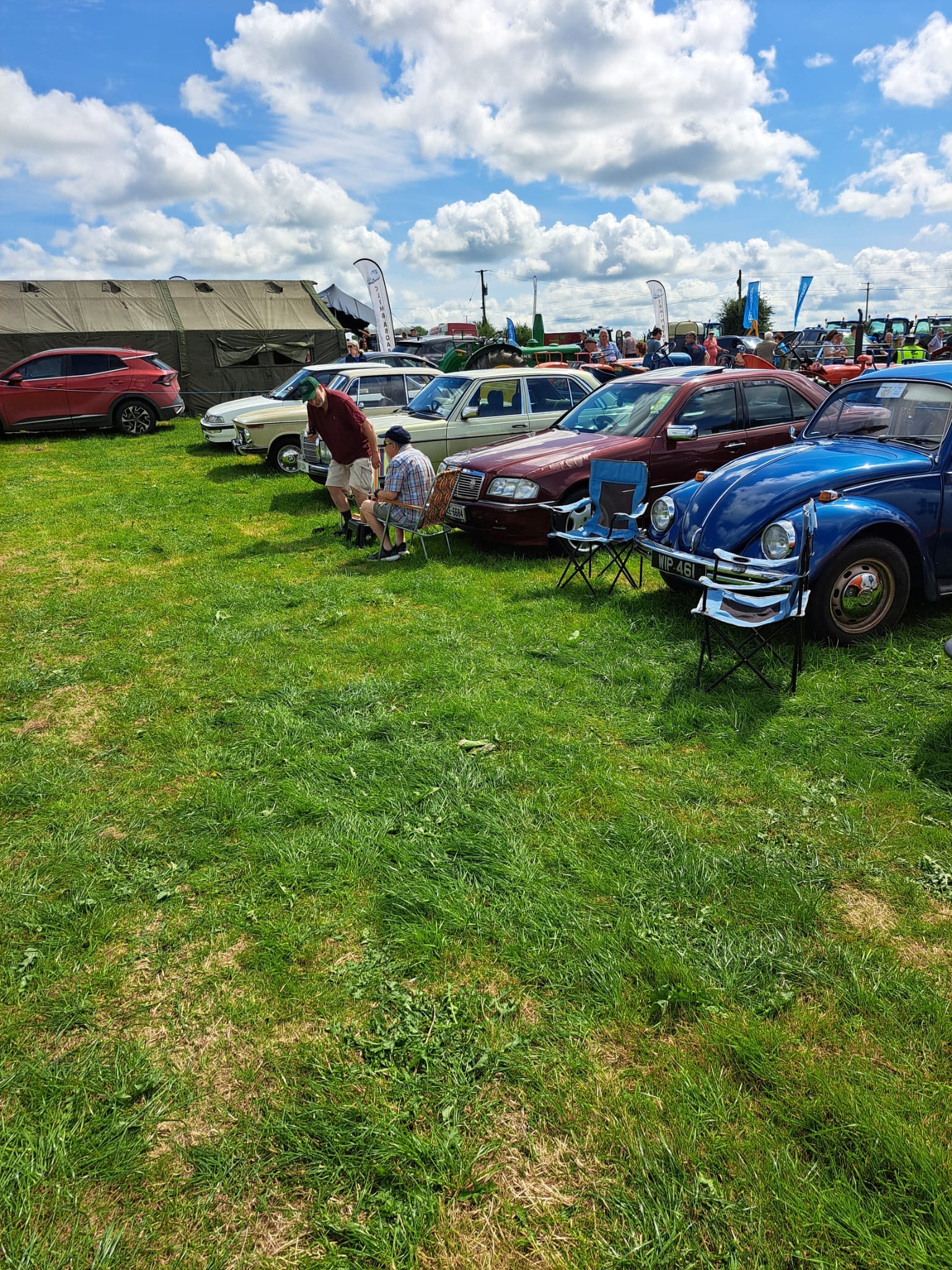
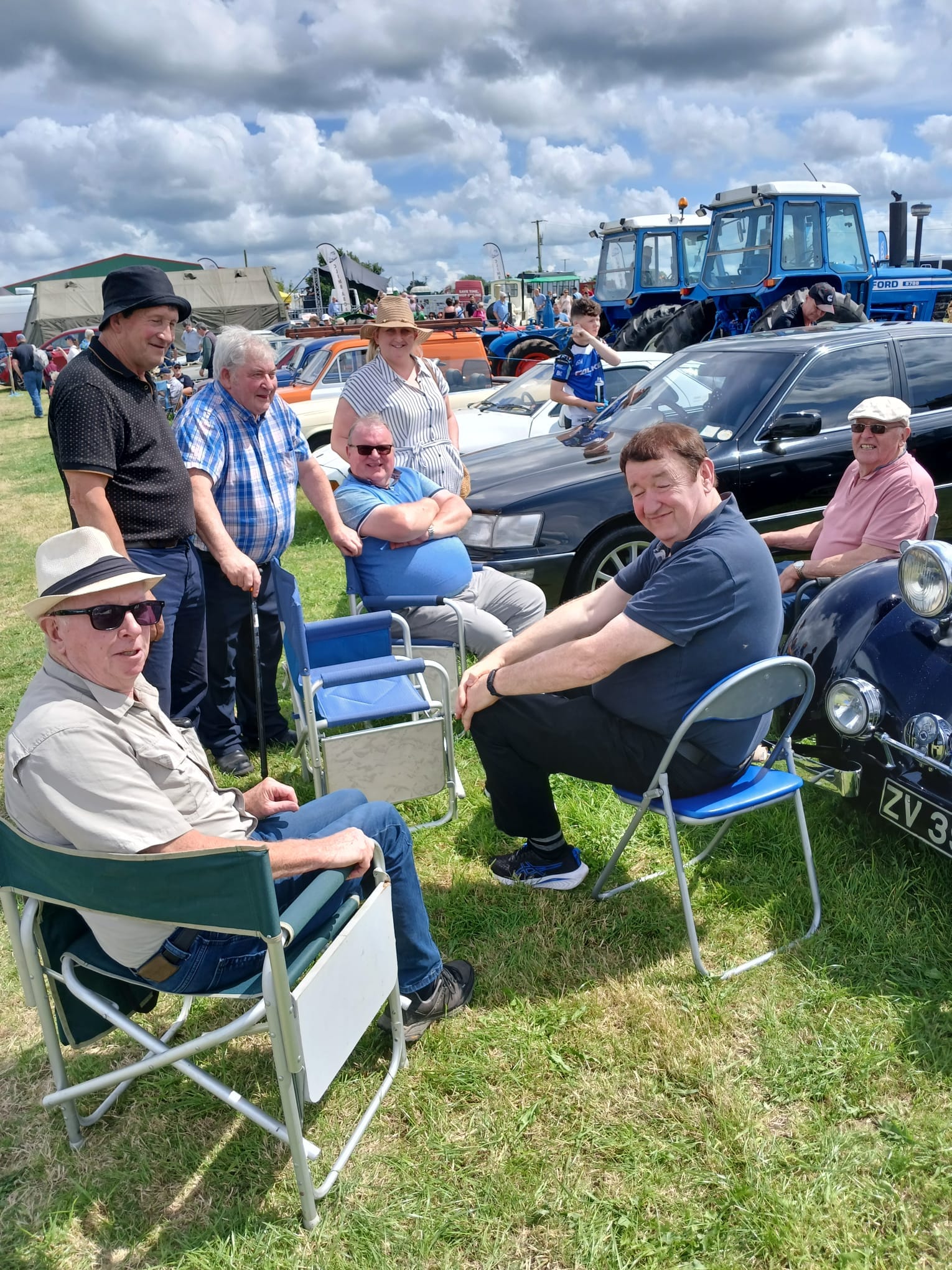
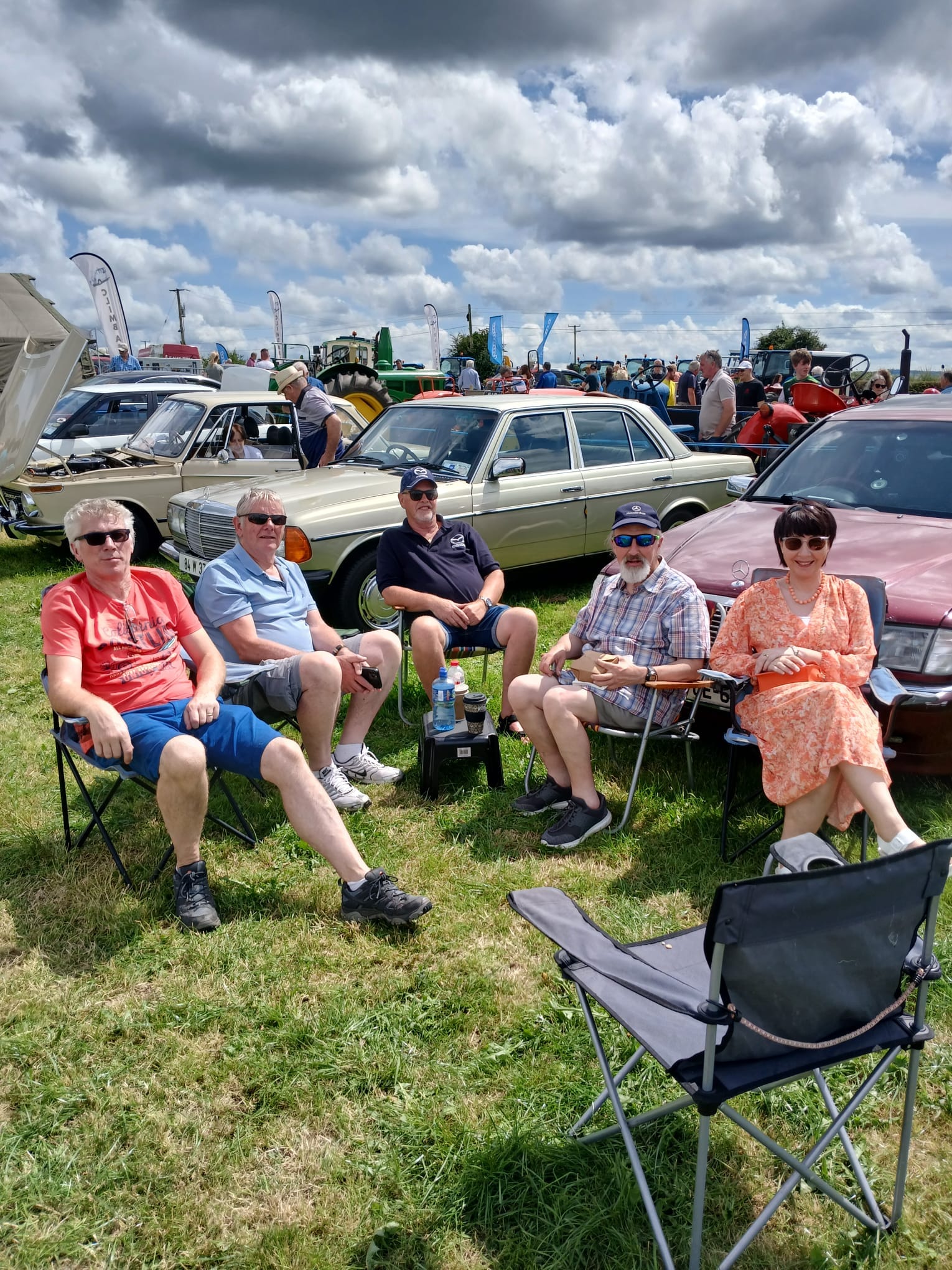
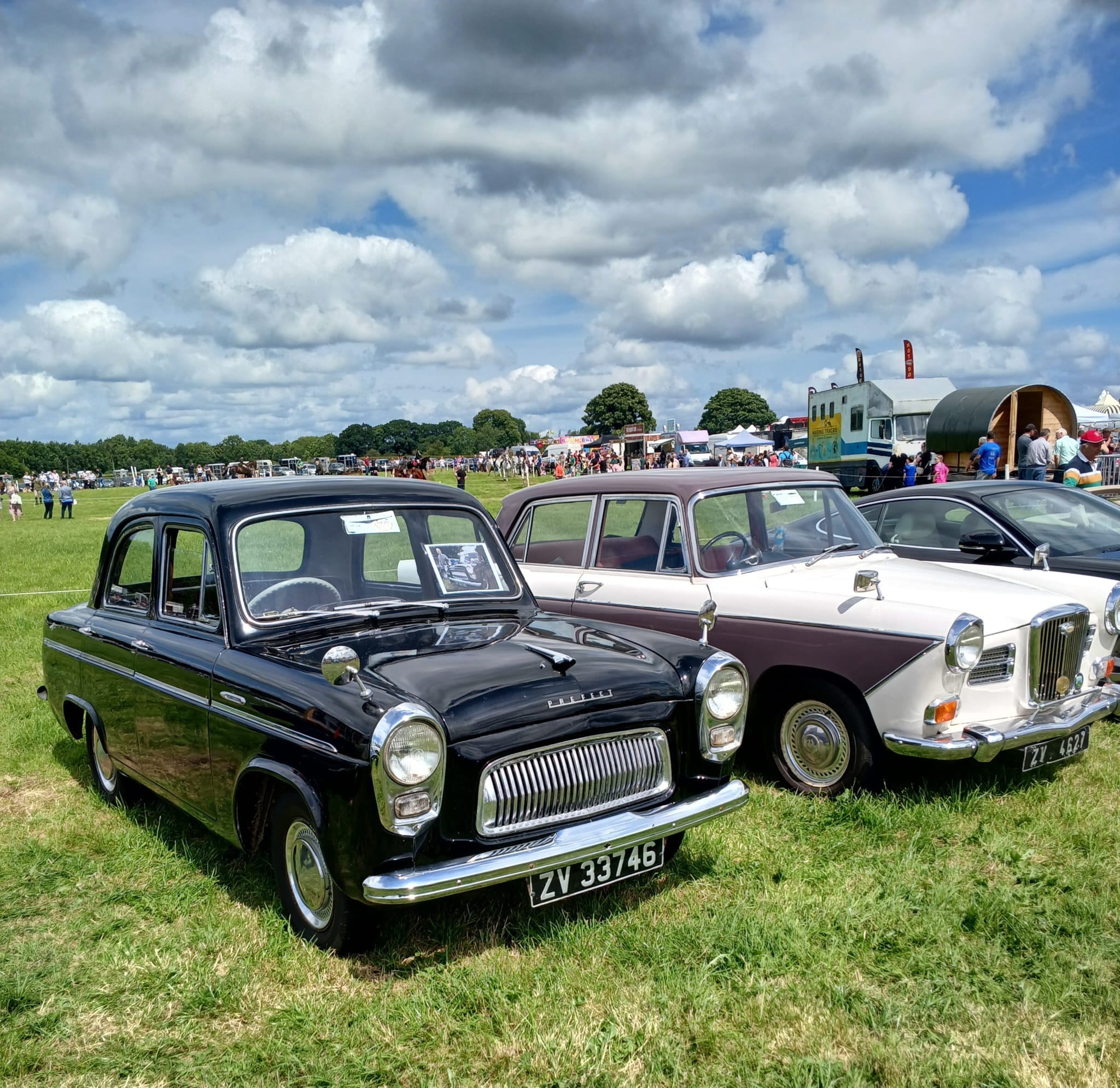
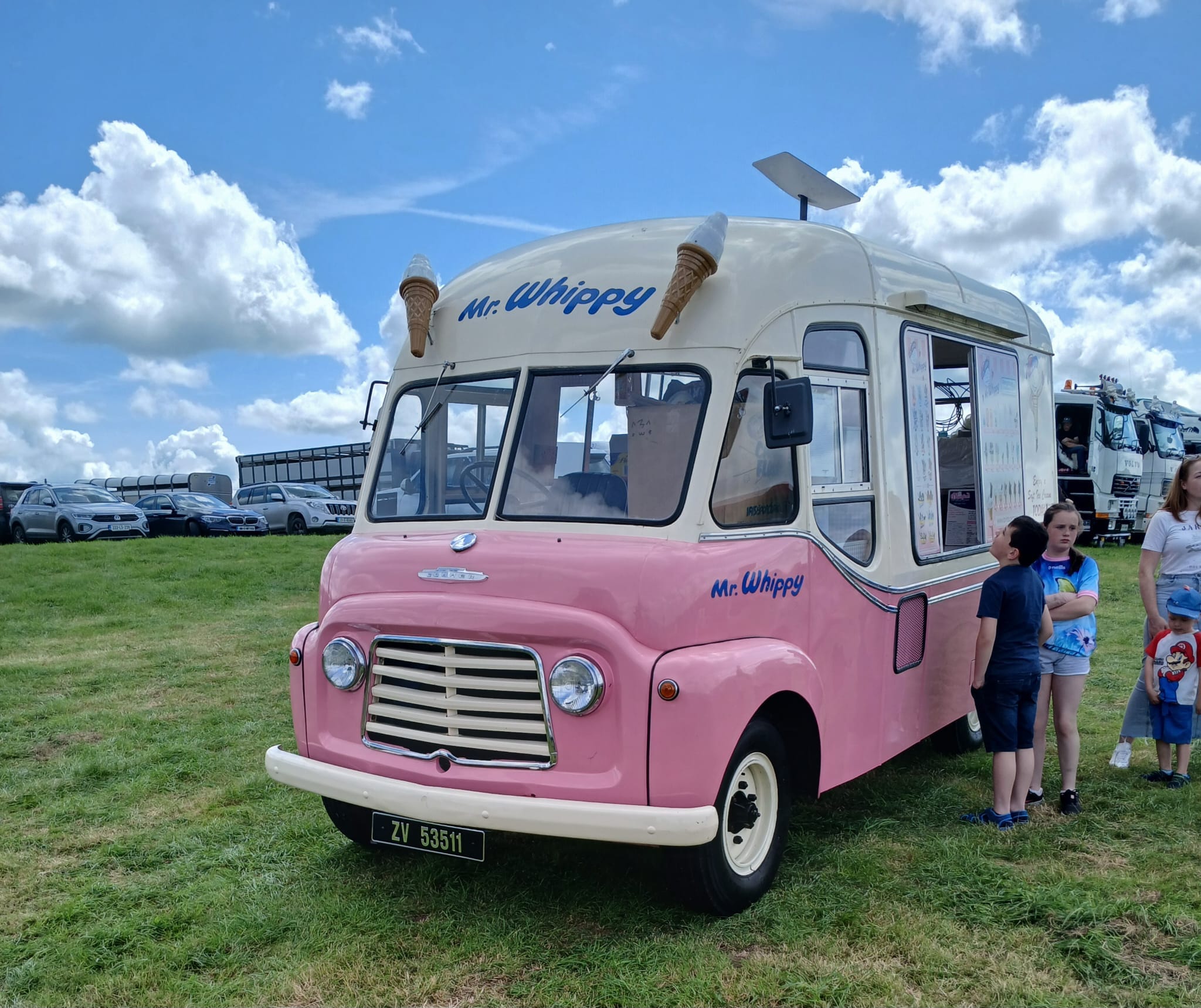
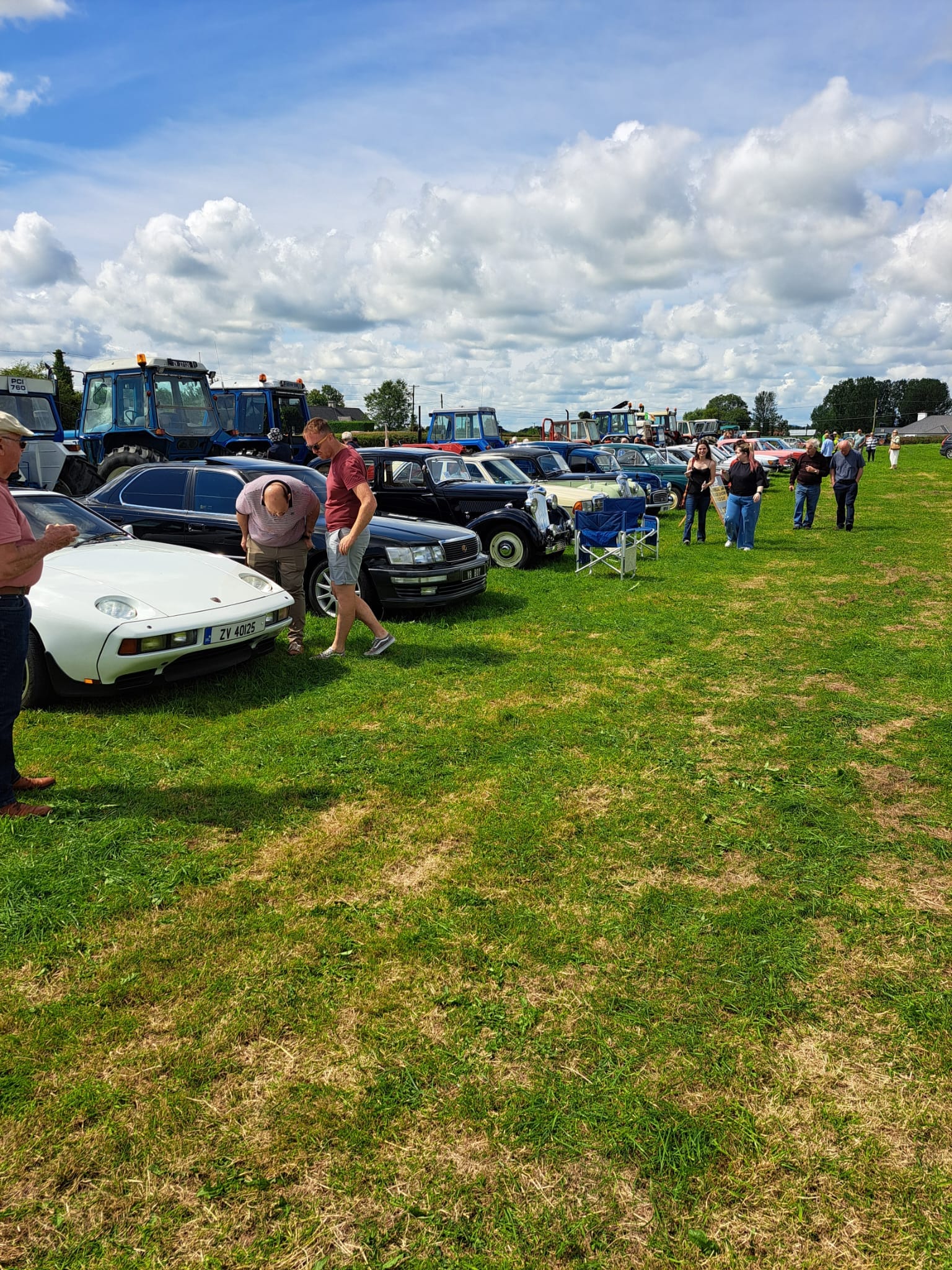
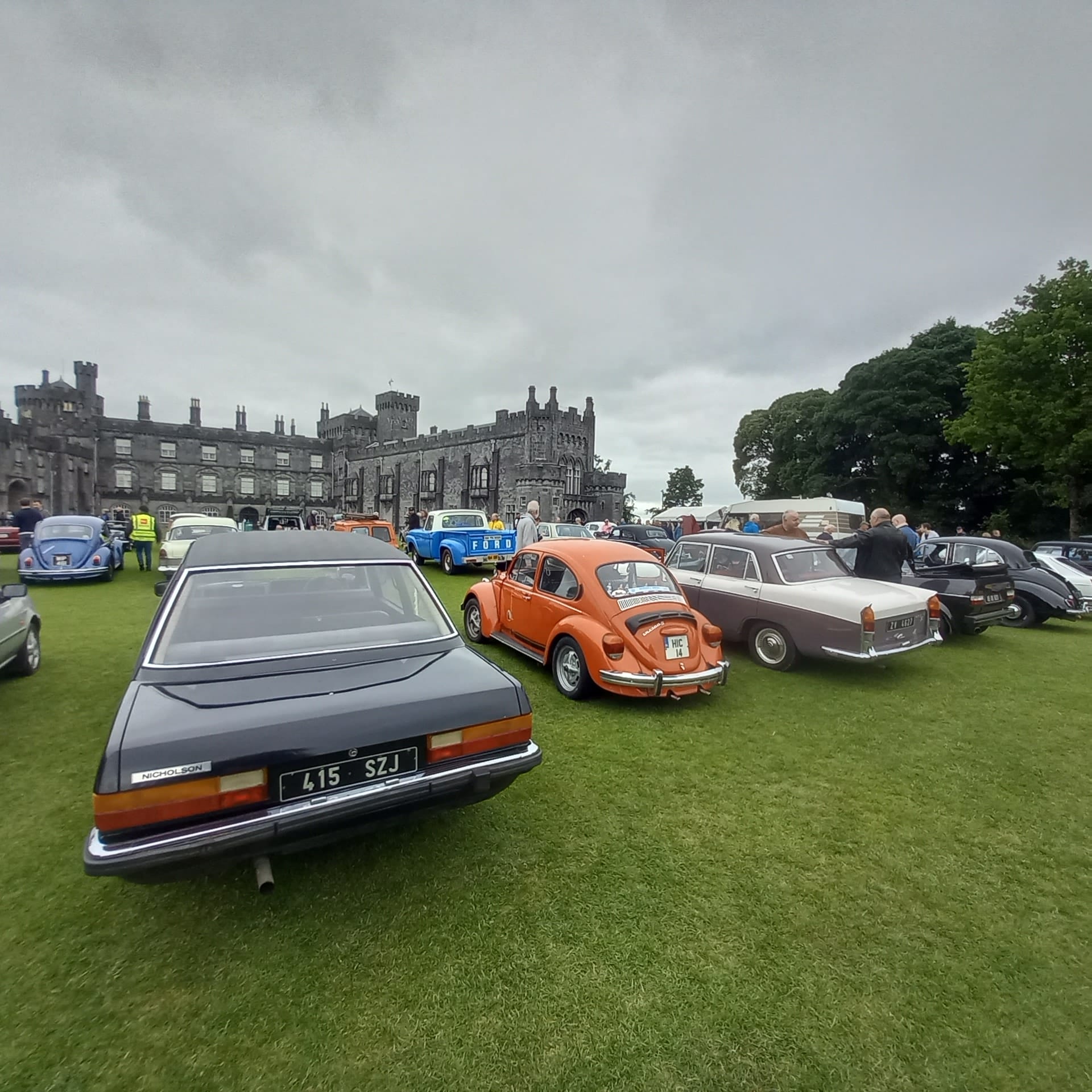
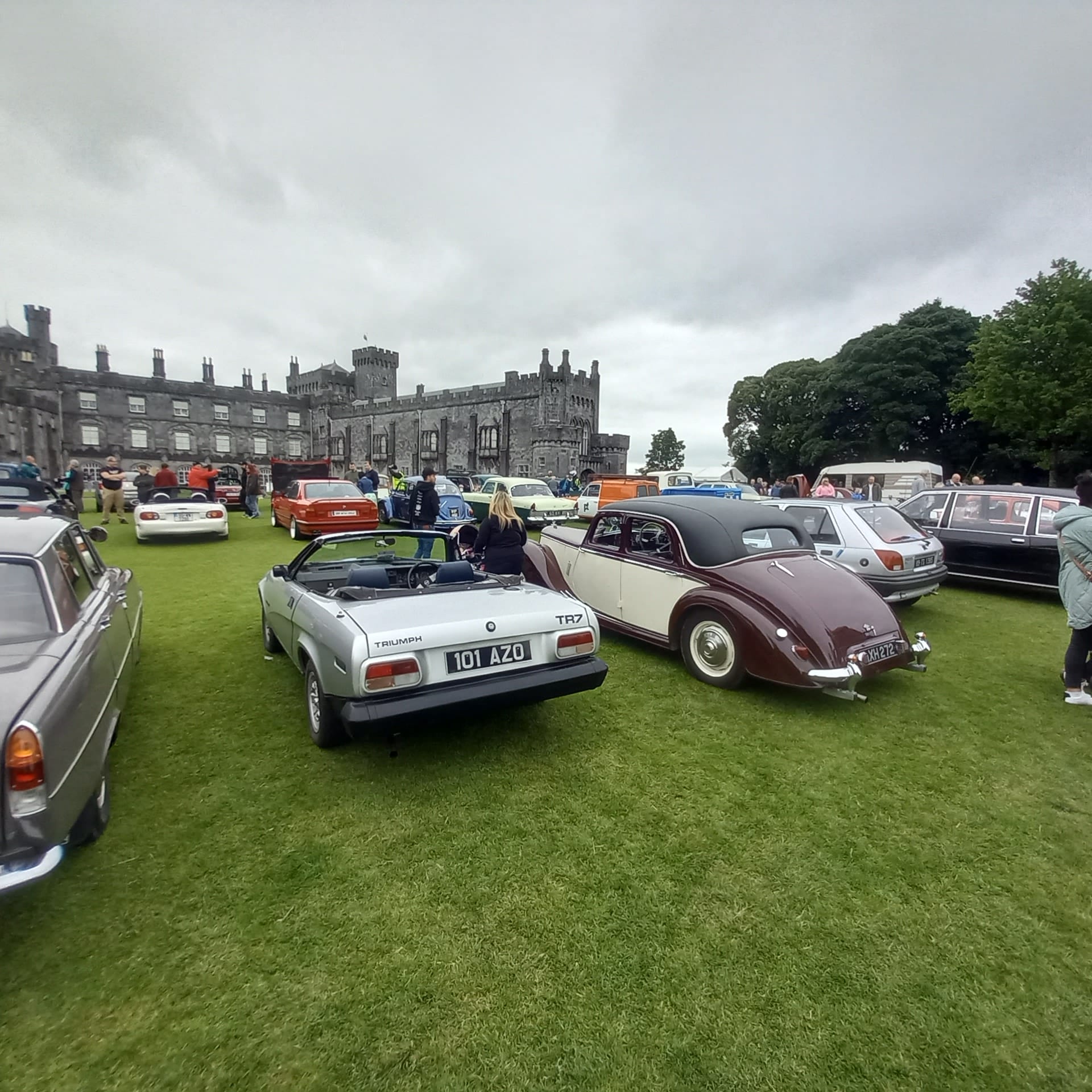
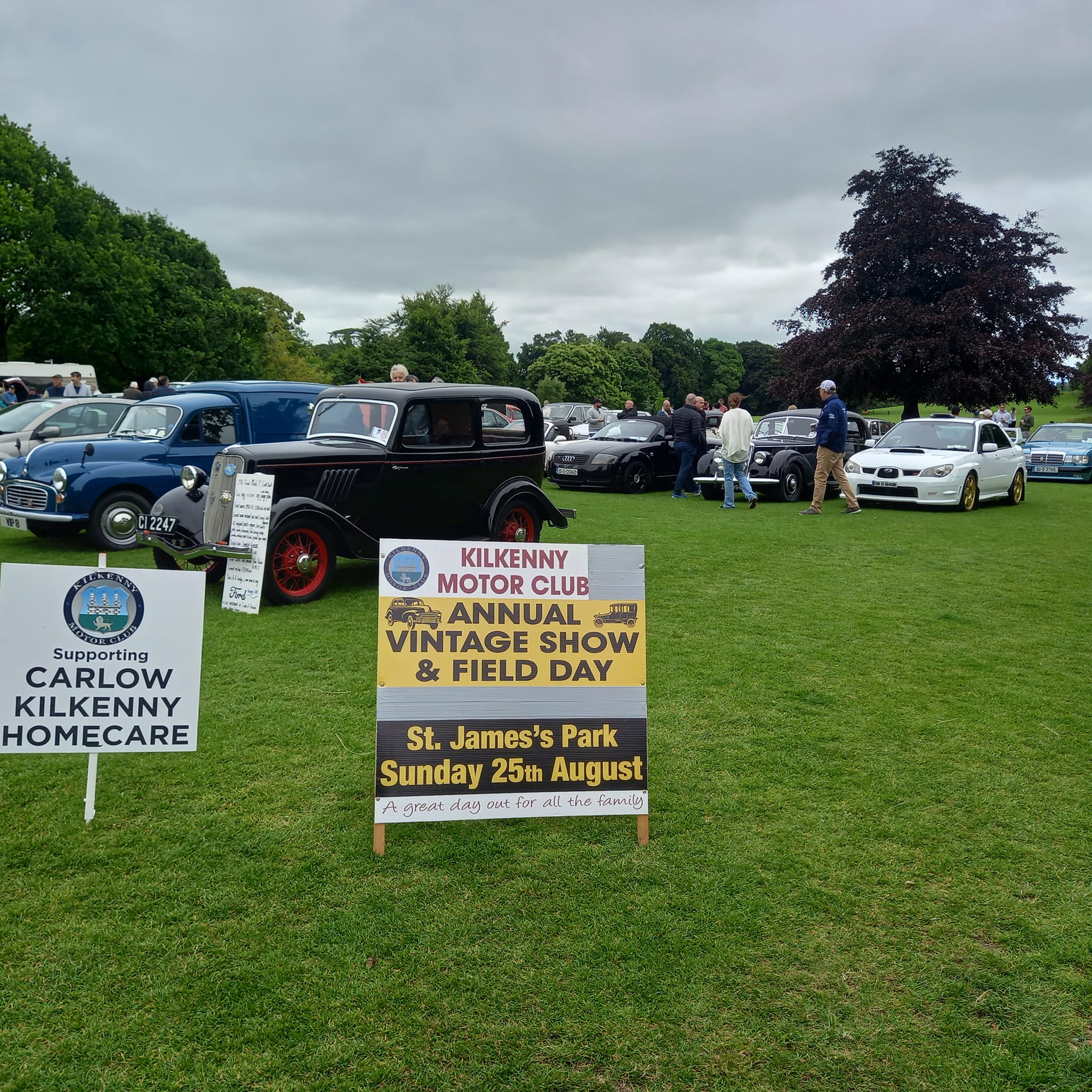
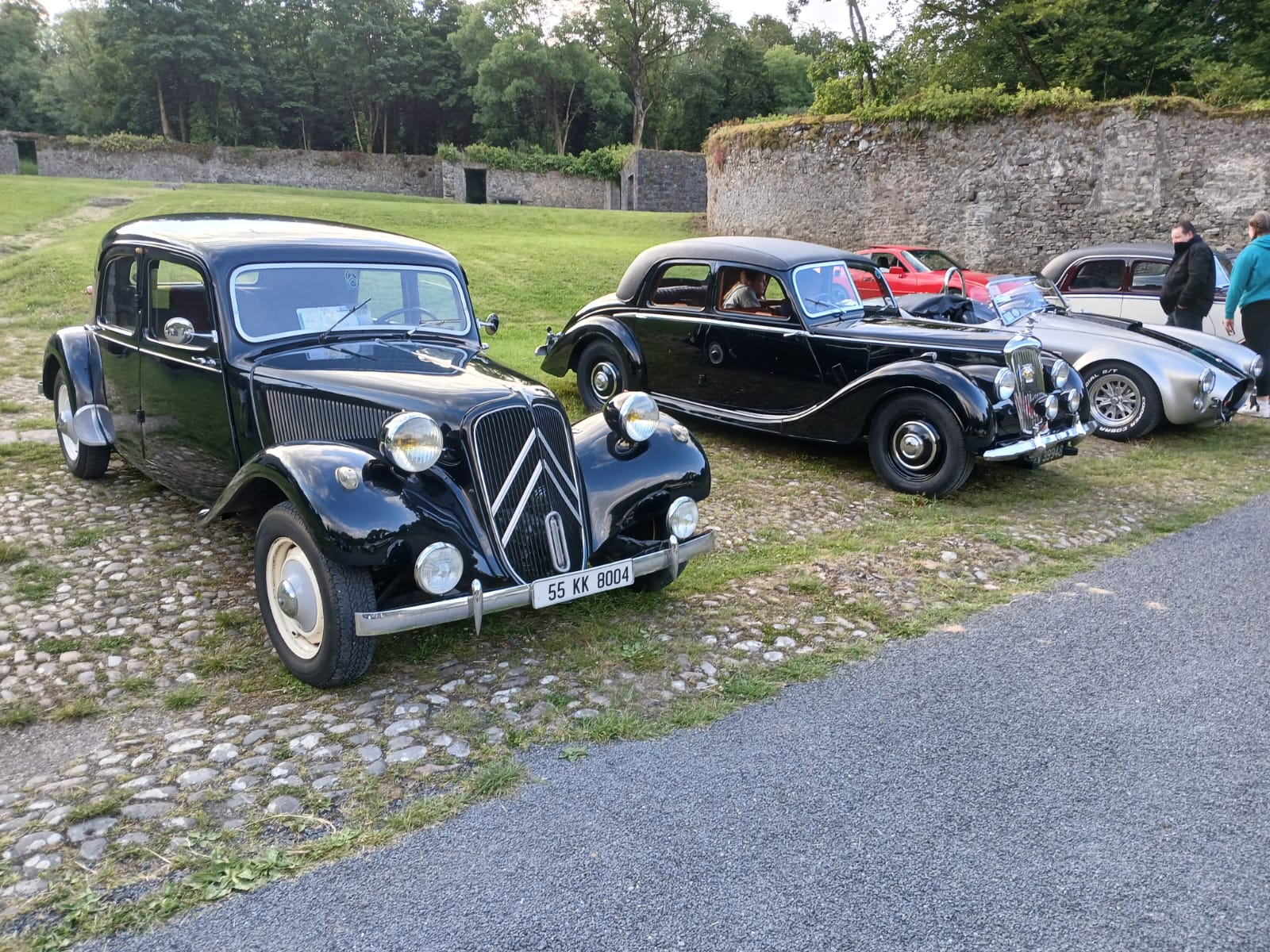
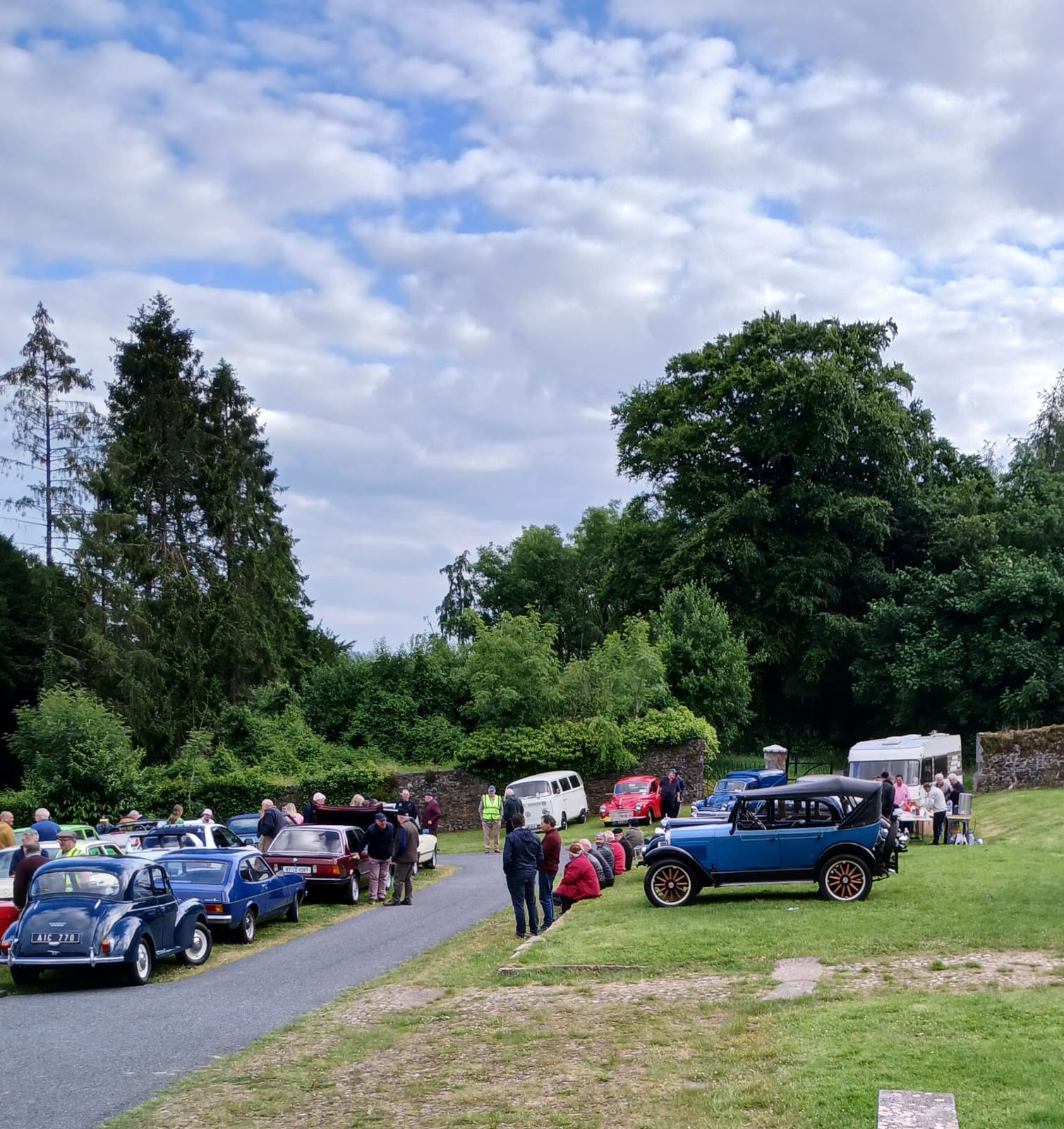
LEFT CLICK ON PHOTOS TO ENLARGE
Filed Under: News with 0 Comments
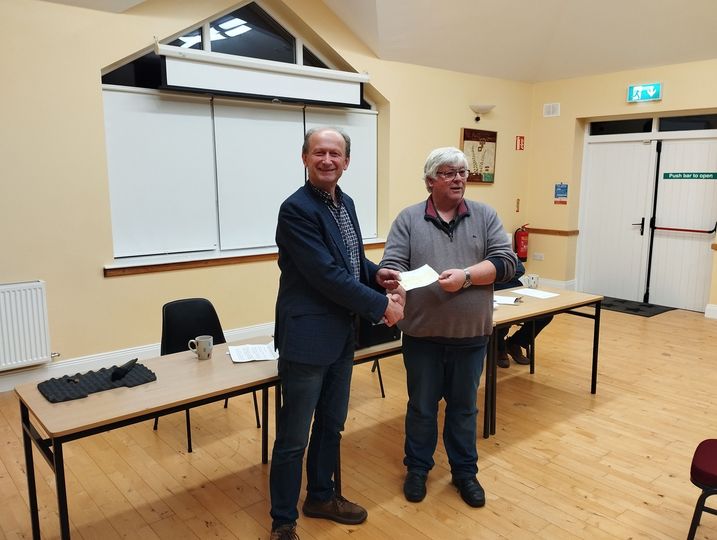
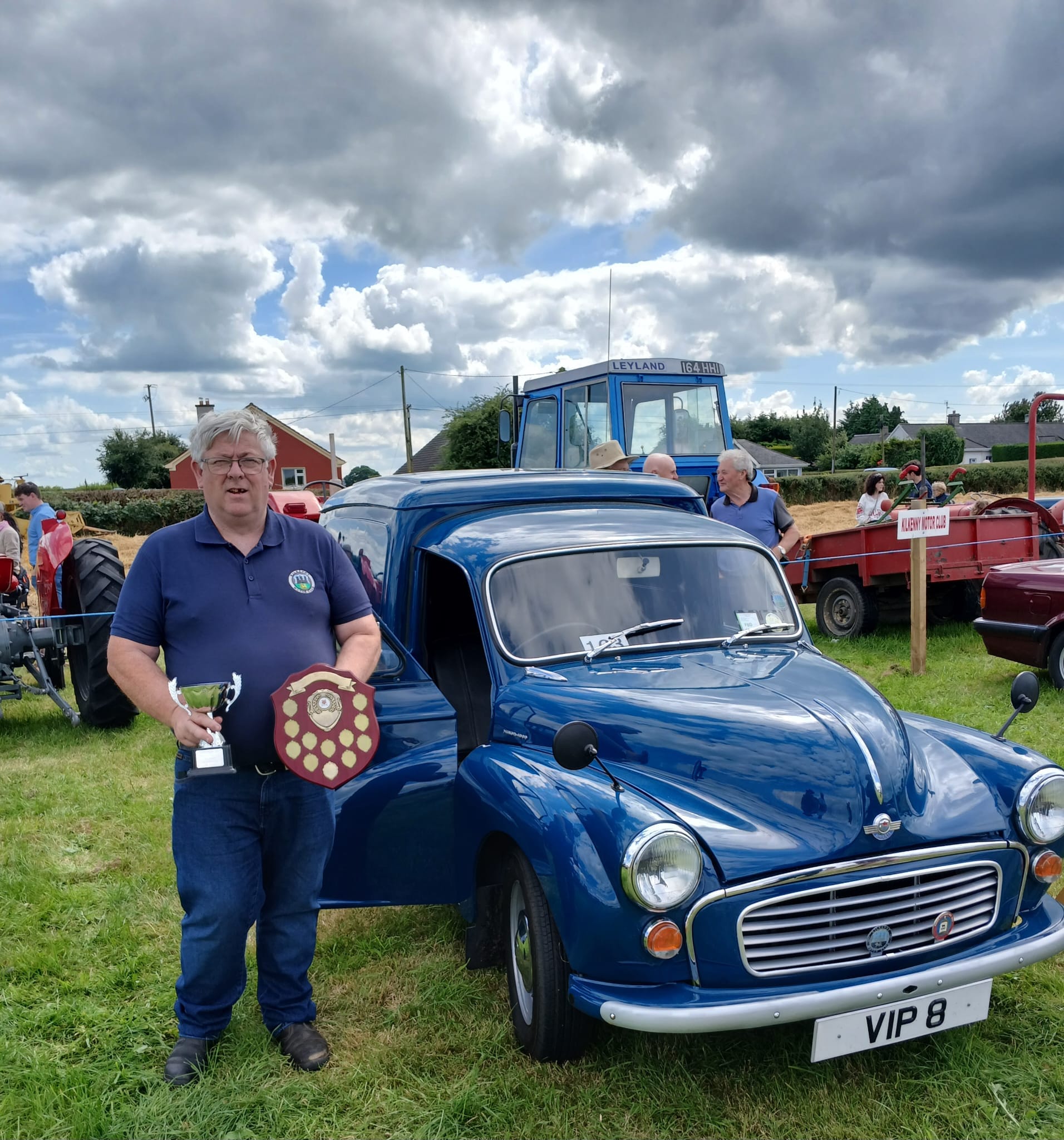
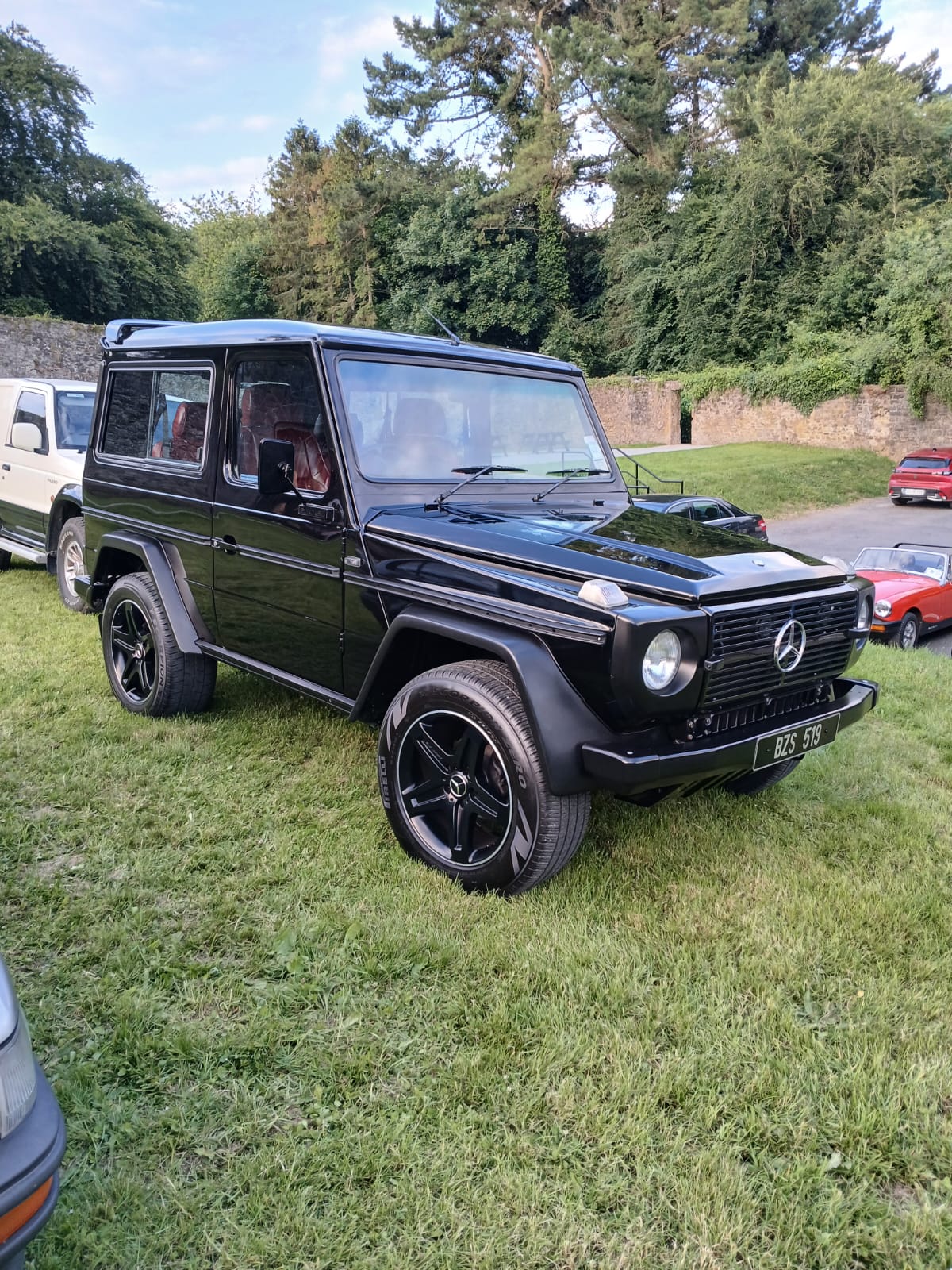
WELL DONE TO OUR MAN Nial McGrath ON HIS SUCCESS IN WINNING “BEST AT SHOW ” IN DURROW A FEW WEEKS AGO AND ALSO LAST WEEKEND “BEST VINTAGE VEHICLE” AT THE ROSCREA VINTAGE RALLY ……..
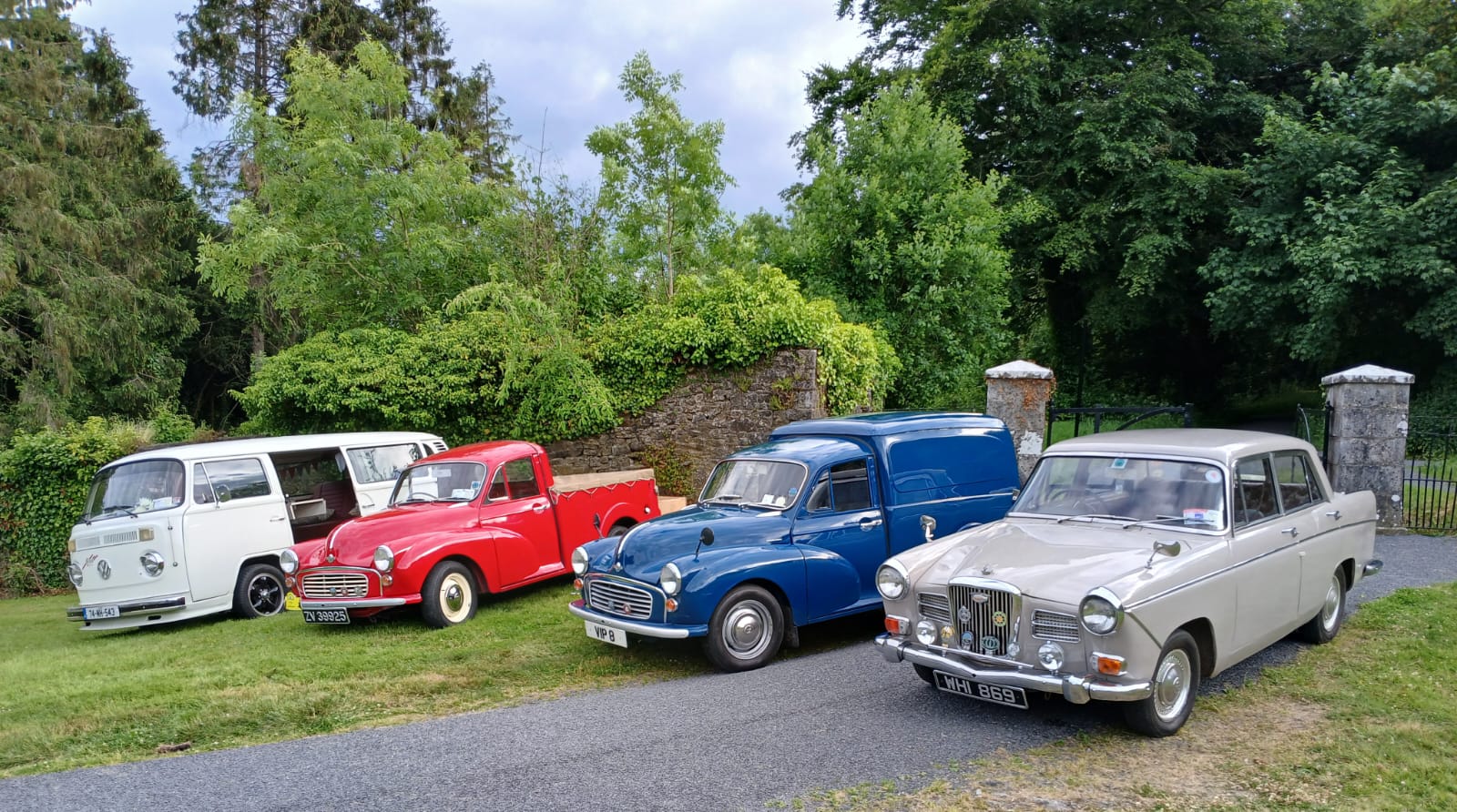
LOOKS LIKES VIP 8 IS GOING TO BE A VERY IMPORTANT PART AT RALLIES TO COME…..
Filed Under: News with 0 Comments
The Morris 1000 was hailed as a triumph when production passed the 1million mark, it did not stop there, it kept going until the plug was pulled at around 1.25 million unit’s.
No attempt was made to update the 1000, prior to the ending of production, though many questioned the decision to finish manufacture.
Not many UK model’s reach this figure, and very few surpass it. So how come our near neighbours manage to produce huge number’s of automobiles, the German VW plant is legend, mind boggling, then our near neighbours, France, 9 models 30 million units.
Despite the French figures, where are the cars, what happened to them, when was the last time you saw a 504 or its successor the 505?
This family of cars started with, indirectly the 203, the 403 was reputed to be a reskinned version of the 203.
Pinin Farina designed the new 403, which was released in 1955, it is said, it actually saved the country from bankruptcy.
So what was special about the 403? It was upmarket, to cater for the affluence of the population after the war, the detailing and the full width bodywork went down well with the middle classes, so much so over 1.2 million units were built, this included estates that could seat 7 passengers and the driver and a commercial van.
There was a diesel version of 1816cc, which sold well, the 403 cabriolet was actually famous, do you remember the US detective Columbo?, Well his choice of car was the 403, Peter Falk must have been a fantastic advert for the car.
Yet the 403 was not the fastest of machines, the 0- 60 time of 24 seconds did not compare with lesser models, flat out you would just about see 76mph and petrol consumption was around 25 to the gallon.
The engine of 1468cc was an in-line 4 with normal carburation , suspension at the front end independent and leaf springs, whilst the back was a live axle and coil springs. The gearbox was a four speed manual, steering by rack and pinion.
It is described as having a metal monocoque body and chassis. The car weighed in at 1300 kgs.
Next model was the 404, this was the natural successor to the 403, which was expected to be dropped, but in true French style they kept making it for another six years as a budget model, it finally came to an end in 1966.
Well, the 404 was going to be a car with a long life, 18 years actually, though it is a wonder it lasted so long, as our friend Pinin Farina designed it, unfortunately he also designed almost identical cars for the British market and the Italians, the Austin Cambridge and the Morris Oxford and the Fiat 1800 saloon.
One wonders why he didn’t produce design’s that did not mirror the other’s, well not that it mattered, the 404 sold nearly 3 million units, many can still be found in North Africa.There is a theory that it might have something to do with the French Foreign Legion being stationed in Africa, or was it due to the ruggedness, build quality and simplicity of maintenance?
Peugeot did not seem to worry about speed, the 404 had a 1618cc overhead valve engine which gave a maximum of 90 mph, with an MPG figure of 28 to 30.
The carburettor was a single solex, the gearbox standard 4 speed all synchro and the braking was servo assisted drums front and rear.
Peugeot used an out of vertical engine mounting to lower the bonnet line and improve vision, independent suspension all round, using coil springs. You have to remember that these Peugeot are all rear wheel drive.
If you wanted something a little different you could get a KF2 version which had fuel injection rather than the solex, it was this model that won the East African Safari Rally on more than one occasion, I think at the hands of the Singh Brother’s.
I would not suggest it was as just came out of the showroom by any means, the Safari Rally is a notorious car breaker, or was.
You won’t believe this the 404 came with a starting handle, it could be hand cranked, it must have been one of the last cars to have this facility, though out in the bush with a flat battery would not have been fun, so it made sense.
Again we have an overlap, the 404 sold right up until 1978, it was selling for 10 years beside the new 504, it sold a fantastic 3.1 million unit’s before finally bowing out in 1983
So when did you see a 504 last? It seems this model was very popular in Africa, seems a good place to go for spares, on second thoughts, I don’t think so.
Apparently the locals love the ruggedness and simplicity of the model, which says either electronic wizardry would not stand up to the rigours of the African climate or they are too expensive to repair.
Mark you my connection with Africa is through reading Wilbur Smith, so it is very limited and a pair of sandals designed by a warrior tribe, which was supposed to make me run faster, hang on where is the zimmer.
The 504 comes in two engine configurations, a 75bhp single carb job or a Kugelfischer fuel injection system, which explains the KF2 model for the 404, the later gives 90bhp.
The engine was of 1796cc, giving the car a top speed of 106mph and a happy cruising speed of 90mph, with petrol consumption around 25, with of course the standard 4 speed box.
These figures do not define which model they were taken from, so one would hardly put money on them, for guidance only.
For a 1969 model it had built in headrests, burst proof locks and double jointed steering column and a heavily padded steering wheel, which was above the norm, though it was similar to both Volvo and Mercedes in terms of car safety.
As was Peugeot’s way they also produced Estate, Cabriolets, Commercials and diesel versions. The company did continually update this model, including engine sizes.
It was actually a car I could have fallen in love with, unfortunately I had a mistress who held on very tight, my beloved Amazon, very similar cars rugged and relatively simple mechanics, if you know one end of a spanner to the other.
I was in Lidl’s the other day in loughboy, what has that got to do with Peugeot, well I got out of the car, parked a little way up from me was this very strange looking motor, what is it? Naturally being a nosey type I wandered up, a Peugeot, a 505, with British Registration. I kid you not, it was exquisite, it gleamed with loving care, the brown paint unblemished, a car you could run off with and not have a guilty conscience, inside was the same spotless, I looked for the owner, but no joy, and no camera.
The 505 had a 13 year run, and it is said, one of the most recognisable medium sized saloons on the planet, how come I missed it? Nearly 4 million units.
Of course, the African’s loved it, if I remember my history France had quite an influence on what then known as the dark continent, I think the African nation was not exactly keen on the British rule, can’t say I blame them. They probably said you know what you can do with your cars.
Spec wise, the 505 was impressive , it either had a 1971cc motor or 1995cc or even a 2304cc unit, it used ASolex or zenith Carbs, or K-Jetronic fuel injection, the diesel version using Roto Diesel/Bosch Injection. At one stage there was 6 petrol engines and 2 diesels to choose from.
Now we had 4/5 speed gearbox or a three speed auto, it reached speeds of 102 or 108mph the diesel was estimated at around 87mph. Petrol consumption, petrol engines 24 to 30 to the gallon and the diesel 30 to 35, though in all fairness it does rather depend on how one drives.
Stopping was good in that you either had servo assisted disc at the front and drum at the back or an all disc set up. This was still rear wheel drive, so the turning circle was only 37 ft.
Again there is a marked difference in speed one is quoted at 114mph and 0-60 in 10 seconds, this is for information of the unreliability of figures only.
Suspension front and rear independent coil springs, fitted anti roll bars, and Macpherson struts at the front, retained the rack and pinion steering.
Peugeot have been made in Kenya, Nigeria, Argentina and China.
If you are near Sochaux at anytime, Peugeot have a museum which would no doubt be of great interest.
The car finally gave way to the 604, and there is another 405 the Mi16, but think we have enough so will put them on the back burner for a week or so.
As always thanks for reading, and do drive carefully. Regards Ted Lay
Filed Under: News with 0 Comments
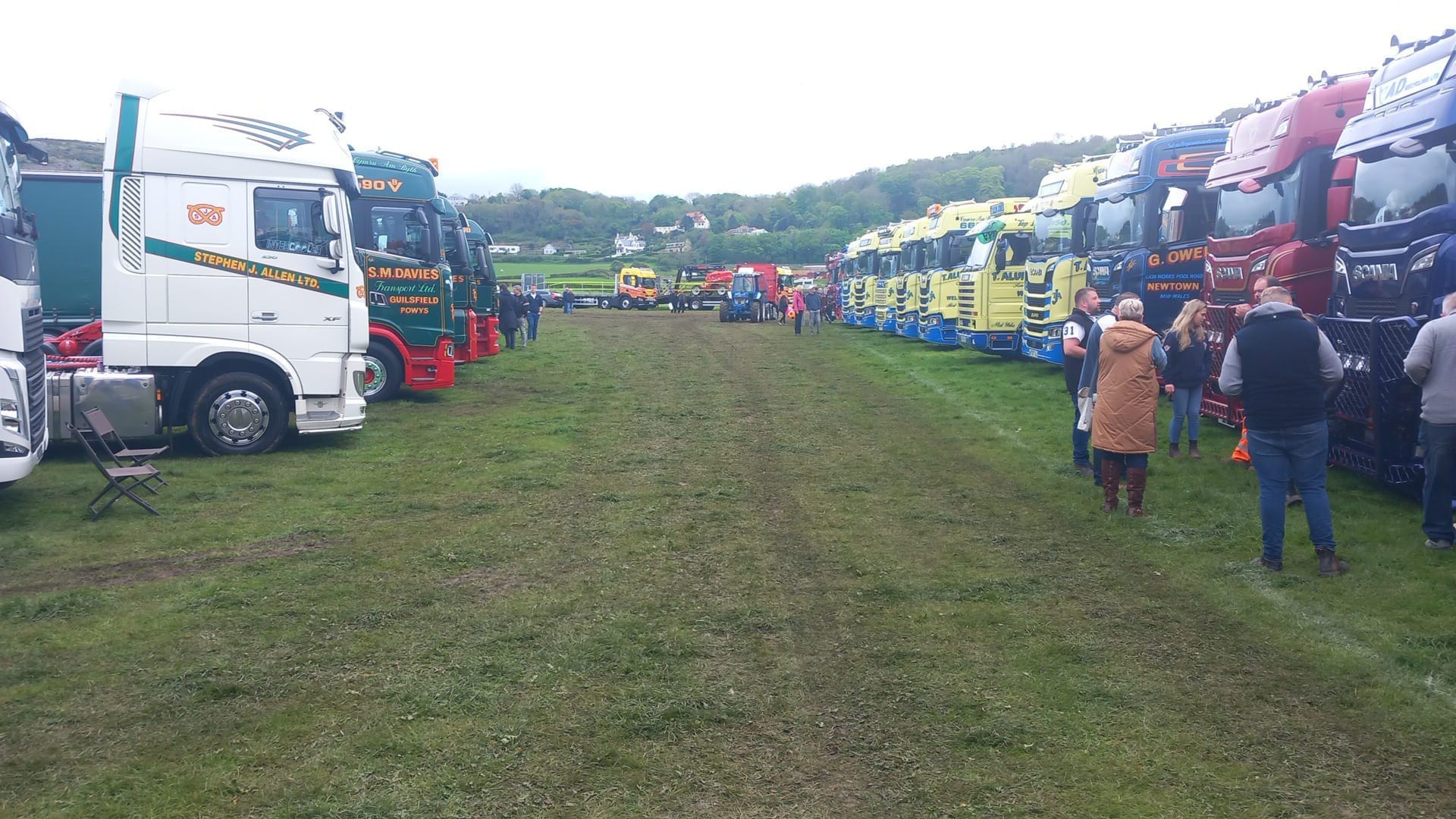
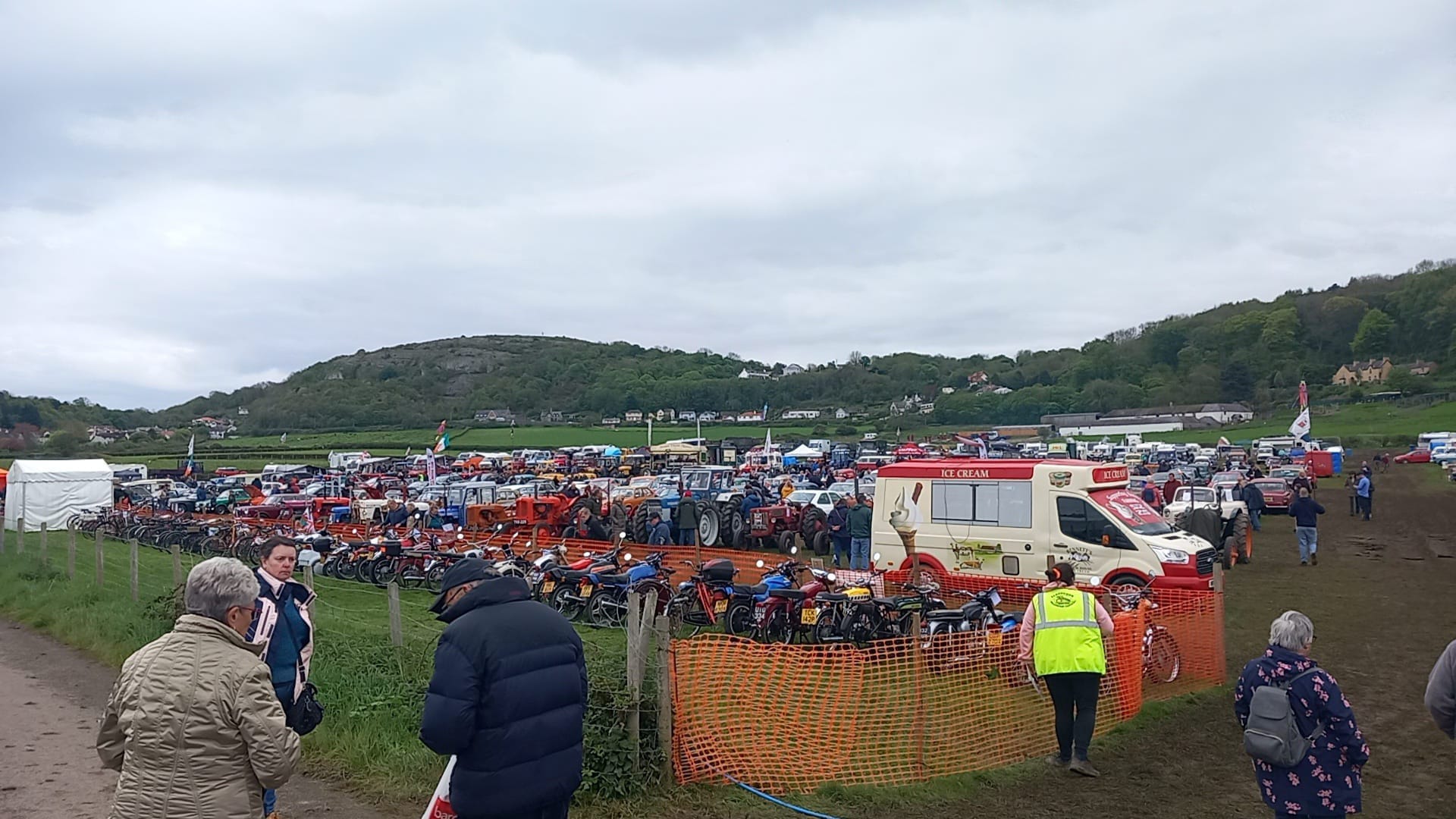
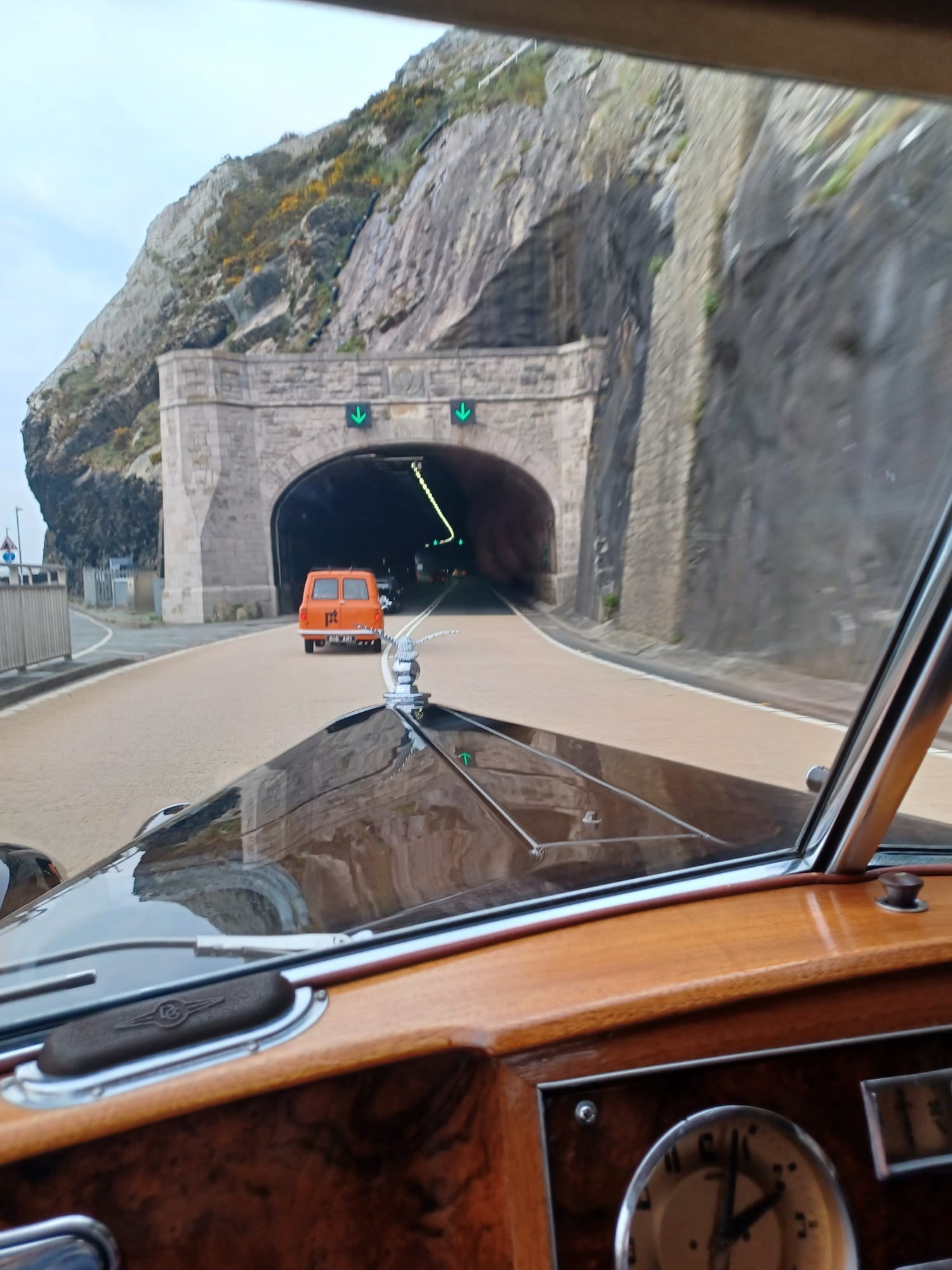
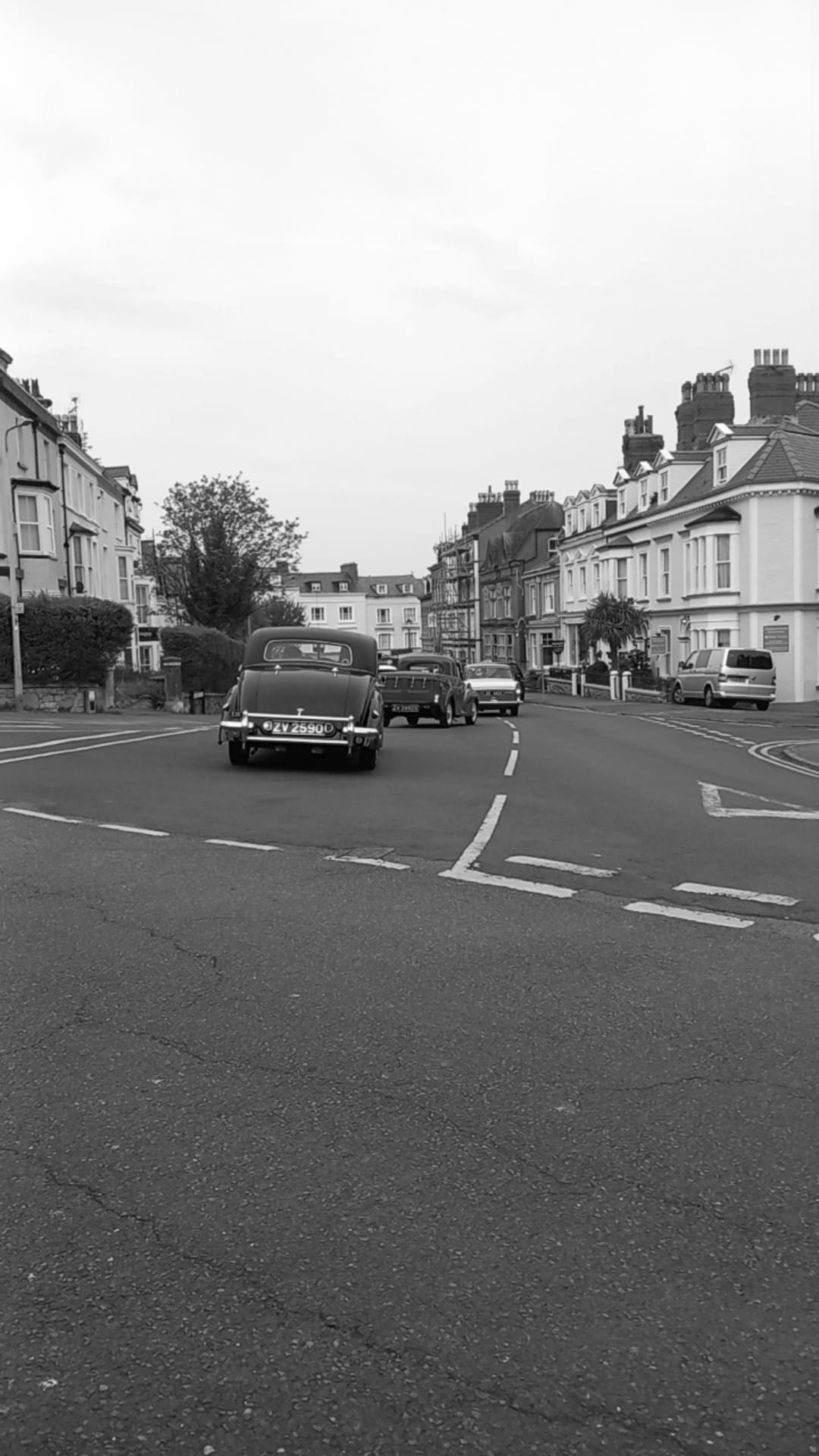
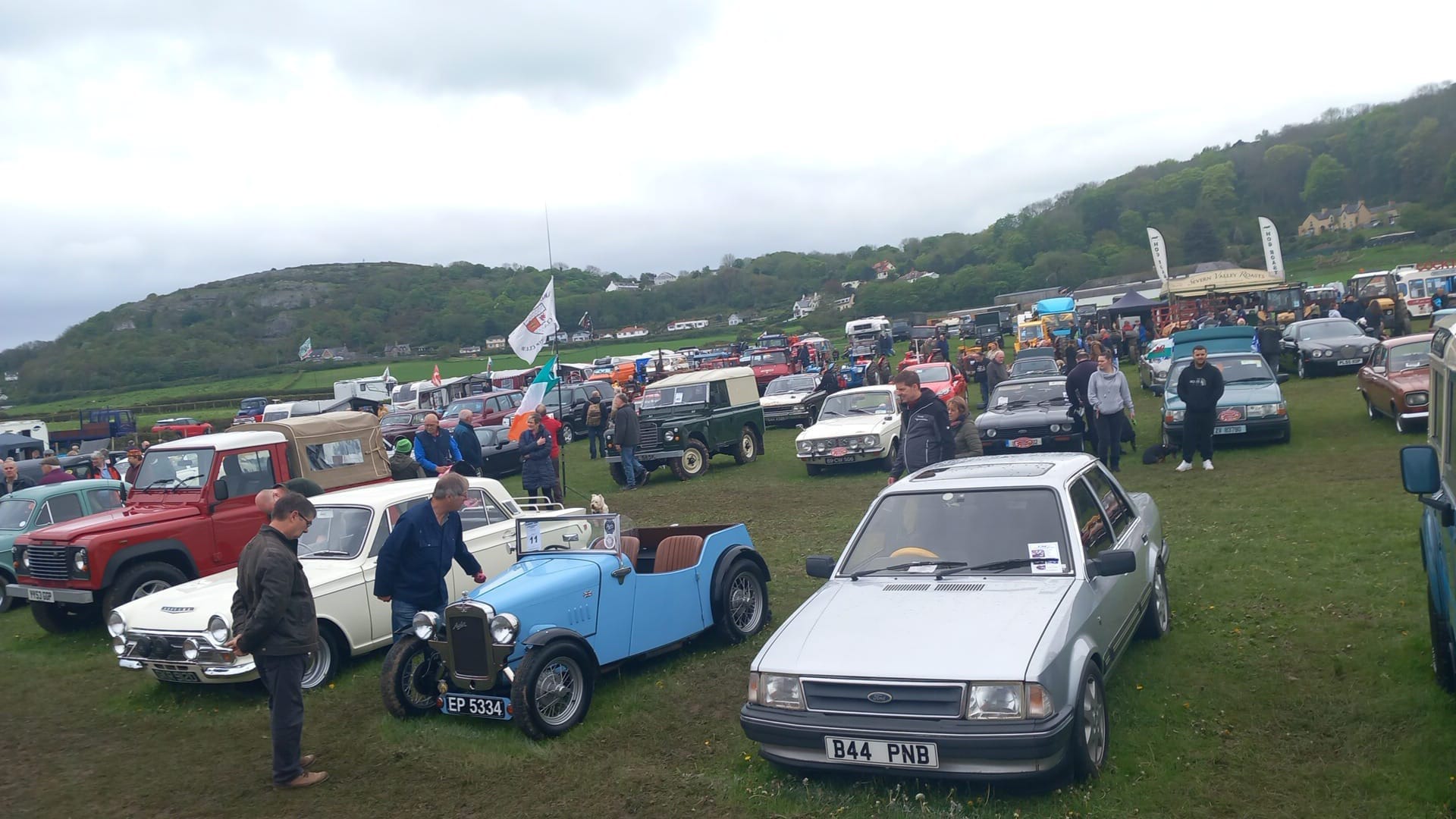
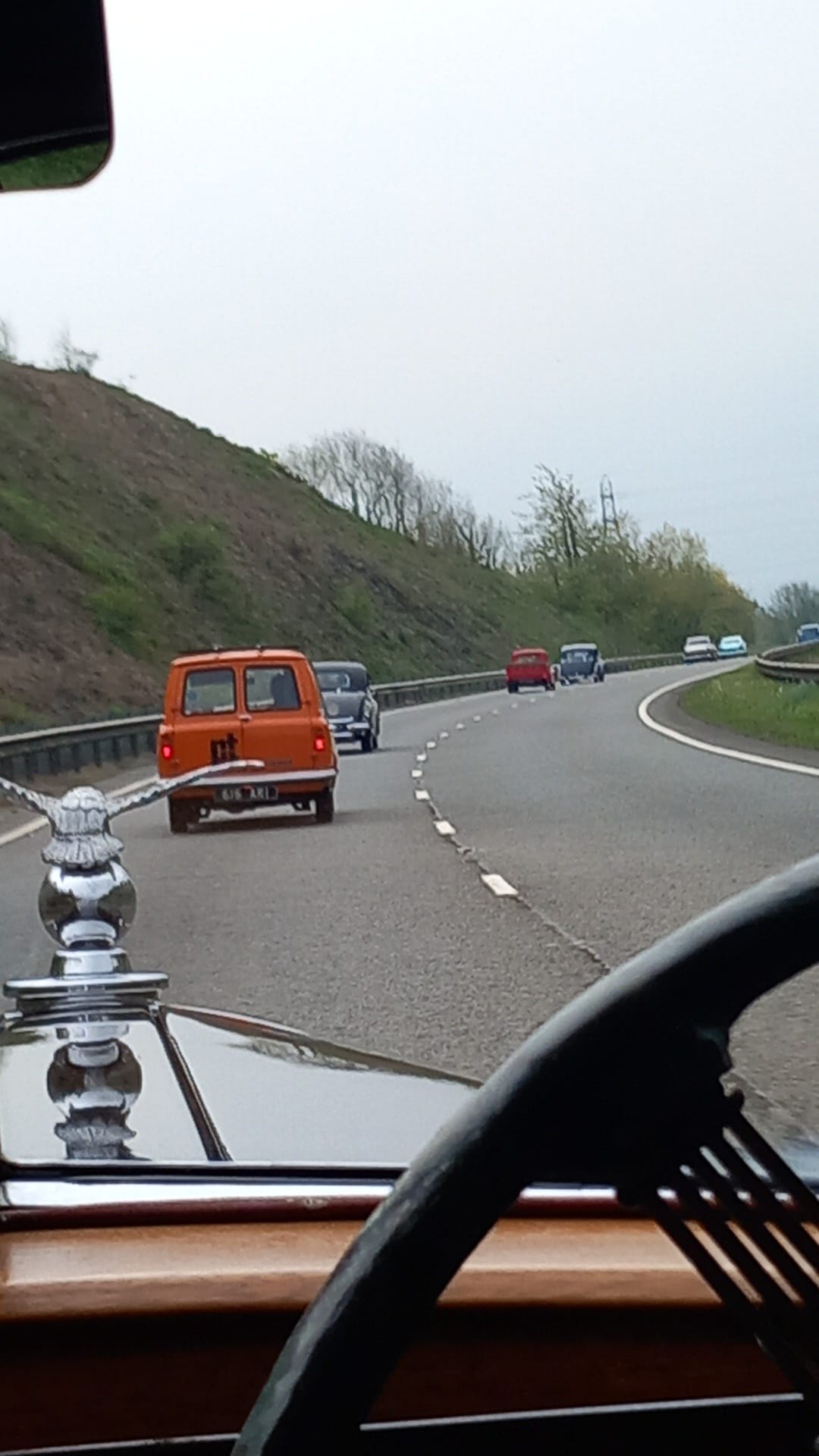
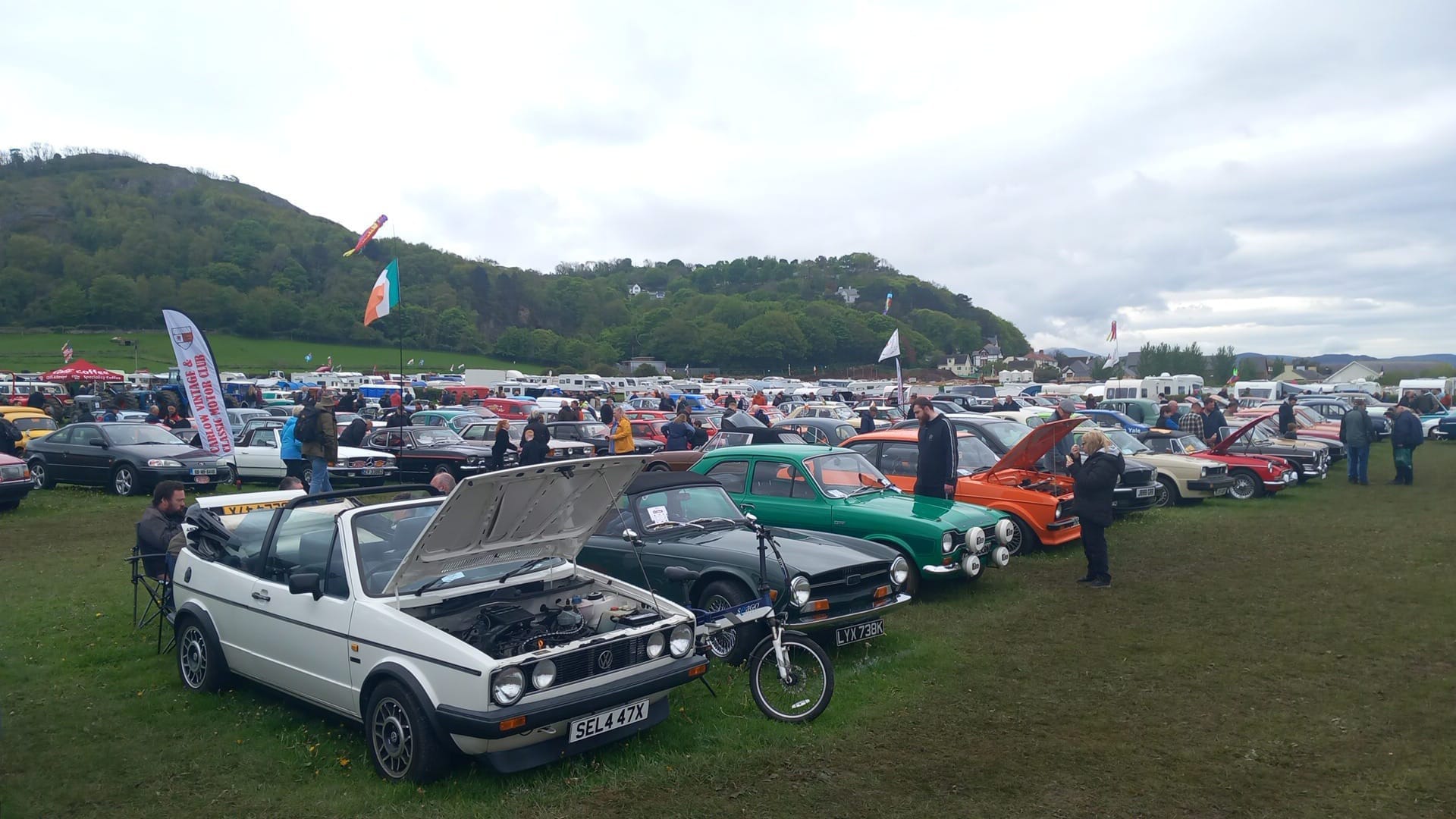
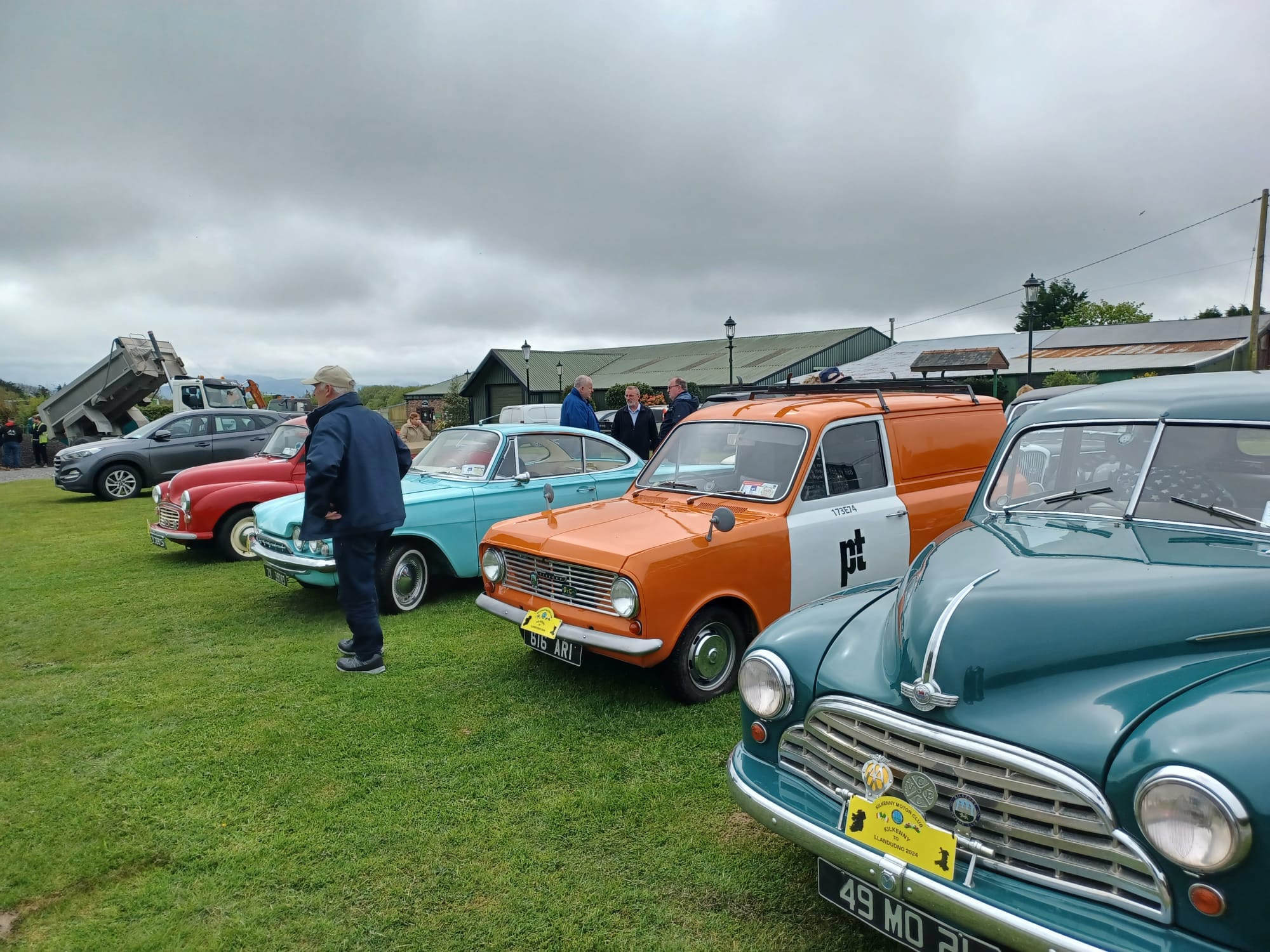
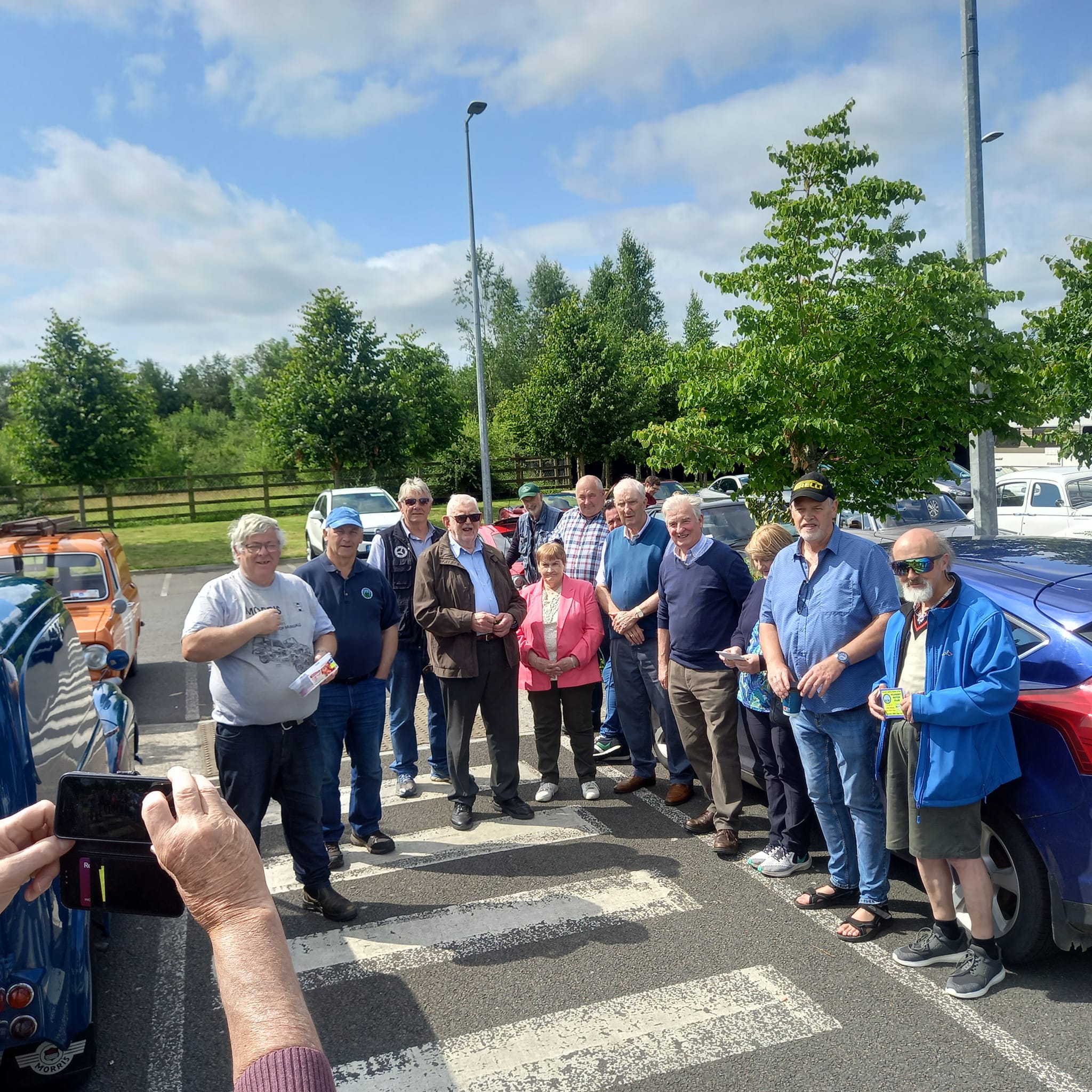
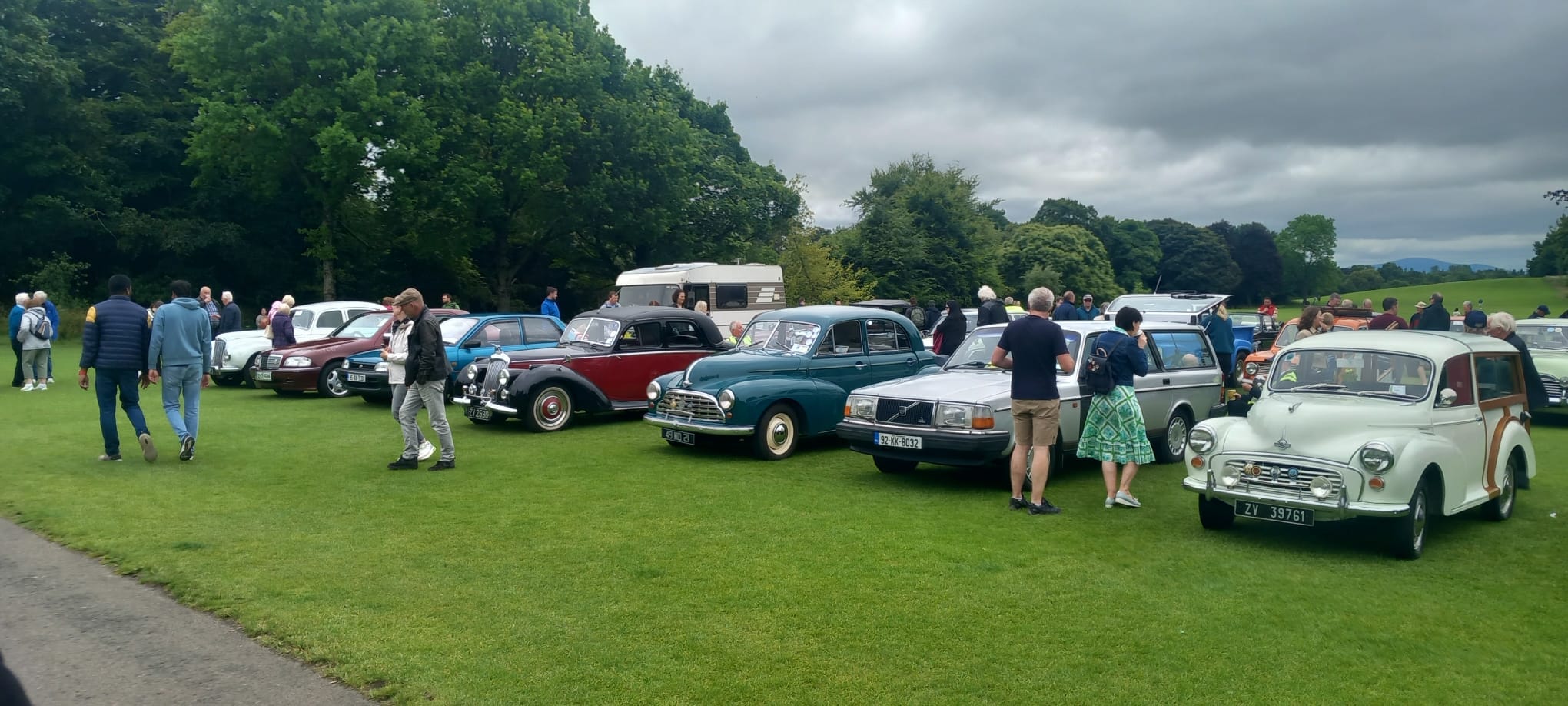
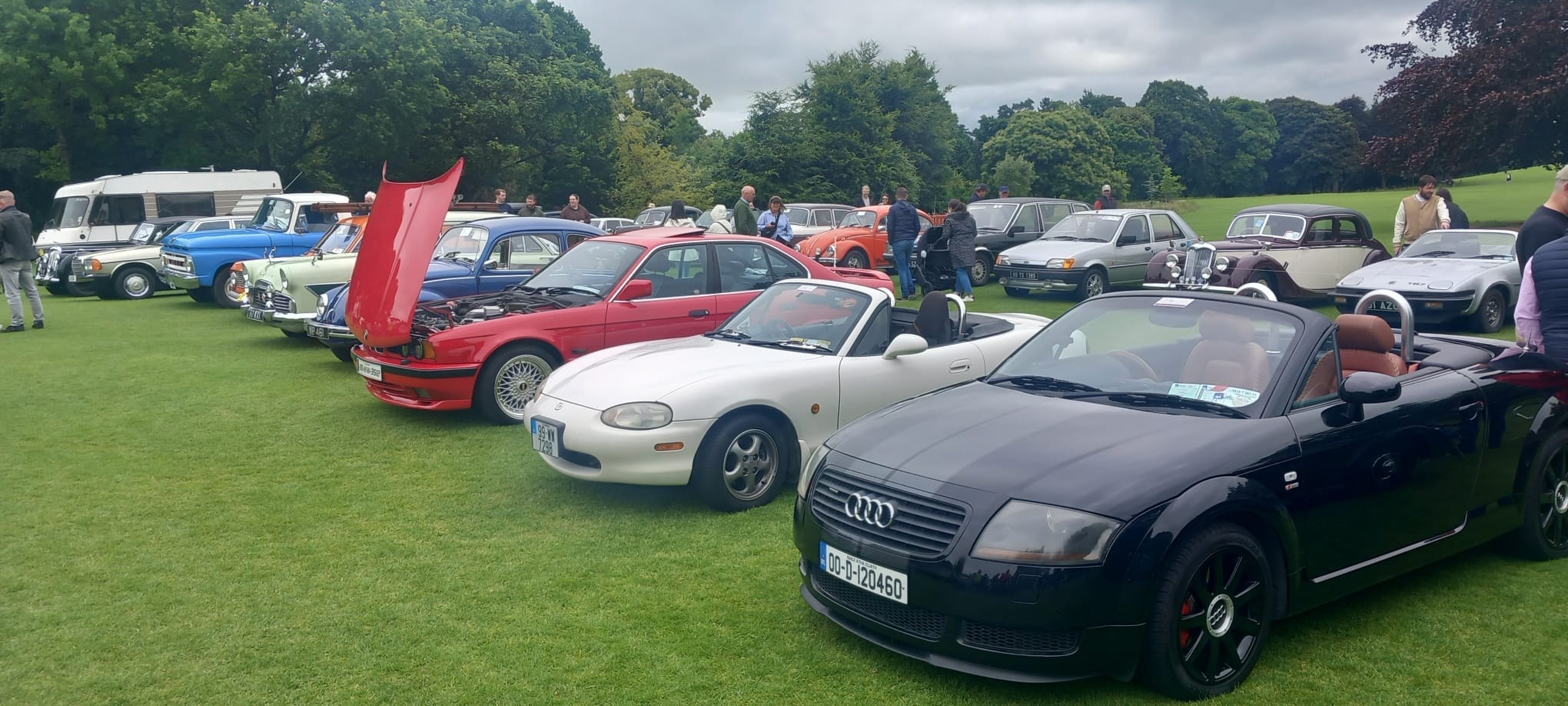
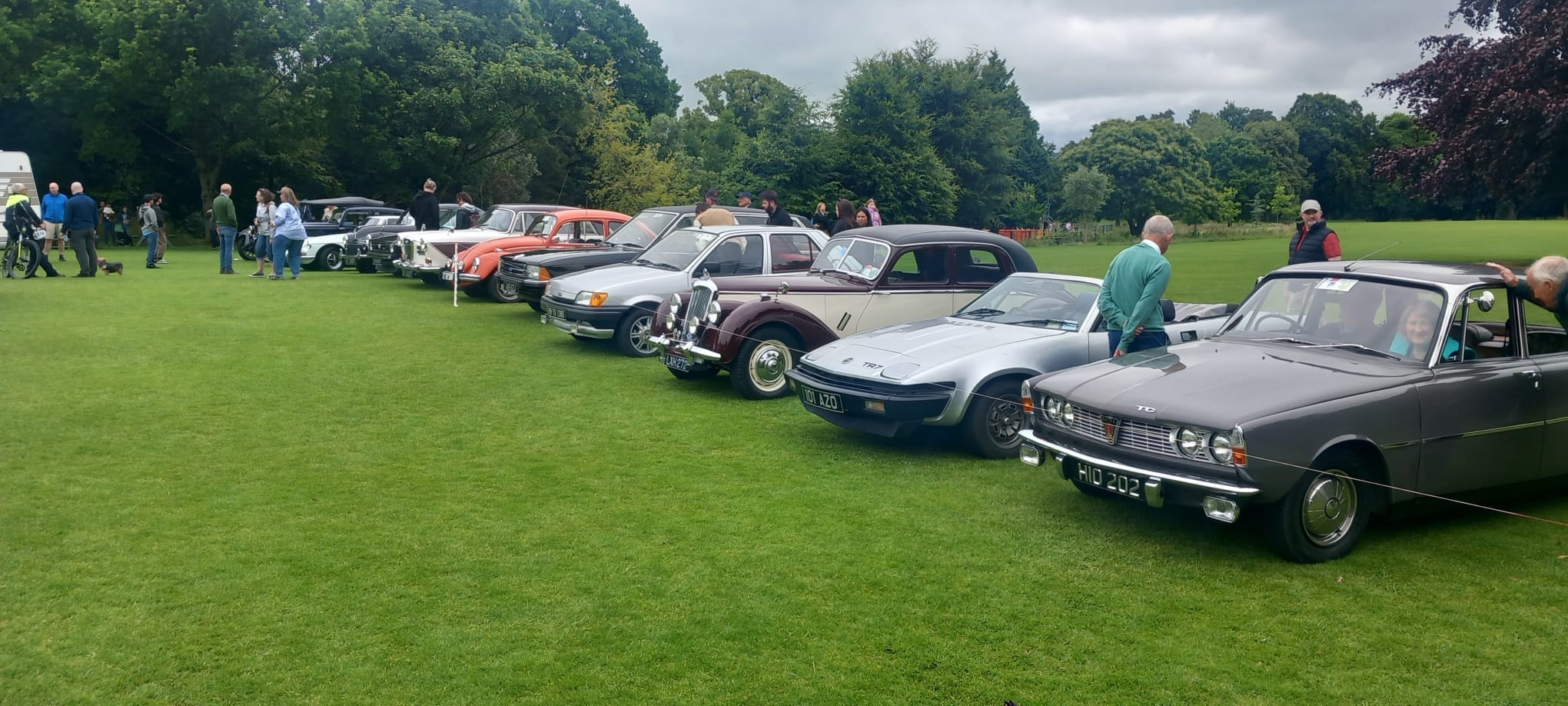
A FEW PHOTOS FROM LAST WEEKEND TRIP TO WALES, MORE TO FOLLOW IN THE GALLERY SECTION SOON
Filed Under: News with 0 Comments
Declan Quinn wrote: Hi Folks, We have just launched a classified ads website dedicated to classic car parts & memorabilia. Would you mind letting your members know about it and perhaps including it in your links section? Please visit for a look - feedback welcome (good & bad!). Many thanks, Declan Quinn (Galway) Website: www.classical-car-parts.com
Ads stay Listed for 60 Days
Highly Targeted Audienc
Connects Buyers & Sellers Directly
Ads Go Live Immediately
No Registration or Joining
ADD LOOK LIKE
Volkswagen beetle number plate shroud light holder – mid era (VW T1 Type 1)
I have a selection of these VW parts. The ones shown are used. The price is for one only & does not include postage.
I have Loads of parts for the whole range of aircooled Volkswagens and T25s – visit my ebay shop to see more – http://stores.ebay.co.uk/rccimport
www.classical-car-parts.com
Filed Under: News with 0 Comments
The coming of spring is probably the most awaited season of the year, plants are beginning to shoot and buds are forming on the trees. The crocus has already shown its around and to be noticed, the faithful Daffodil is waving around beckoning spring to hurry.
Of course the serious horticulturists among us, are looking forward to the Chelsea Flower Show, a wonderland of riotous colour put on by the RHS (Just in case the Royal Horticultural Society).
Even being a member of the RHS does not guarantee tickets for this prestigious event.
However does one really need the agro of getting to Chelsea? Plus of course, the inevitable crowds and dare I say, the extortionate price of food and drink. As a serious gardener, the answer is yes.
It was quite a few years ago we set off for Chelsea, due to the congestion we left our Jag at home. Having a friend in the hire business we opted for one of his cars, naturally one would not want to be seen emerging from any old car, he promised something special, it was a Studebaker coupe in white.
One had to have shades for such an entrance, I mean, who are these people?
We enjoyed the day, the blooms, the scent of the flower’s, an experience unsurpassed, however as we went round there was a display with green daffodils, okay, they were not deep green but they weren’t yellow or white. They were different.
We thought perhaps some would look better than the normal run of daffs, which can be purchased by the bucketful at a normal garden centre, after a short discussion we thought perhaps a dozen or
so might be just right and not invoke the distain of our neighbours.
So up to the sales person, a dozen green daff bulb’s, they had a name but that was forgotten, as you will understand shortly, that will be £144.00, “eh, I only want a dozen”
“Well they are £12.00 each”, “Hold on I will be back” we made a very hasty retreat from that stall, it would be Homebase with the bucket for our Daff’s.
We had made prior pick-up arrangements, the Studebaker was purring away at the exit, naturally being examined by others waiting around for taxi’s and the park and ride bus etc.
Our friend, of course goes the whole hog, peak cap, black suit, opening doors etc, it really was a bit of a giggle. At least no one asked for my autograph.
Normally we would have taken a flask and a pack of sandwiches, you couldn’t, Mrs Bouquet has nothing on us.
Well you might have guessed where this story is going, the land of tulips and daffodils, windmills, clogs and bicycles, Holland, and in particular Eindhoven, home of Van Doorne’s Aanhangwagen Fabriek, which really was a trailer factory started by Hubert van Doorne in 1928.
Naturally the German invasion of the Netherlands put paid to the trailer business, as they put paid to most businesses. Apart from that, Hubert immediately the war was over decided to go into the truck making business, which was a shrewd move giving Europe was desperately short of most forms of transport, it took until 1949 to get things into production and from the factory appeared not only trucks and trailer’s but also Buses, and a variety of other heavy equipment. DAF was in business and was building a decent reputation, its products were seen all over Europe.
I think Hubert got a bit carried away as he decided to start building cars, in 1958 the 600 was built, it was a four stroke, air cooled 2 cylinder boxer engine, the 600 was exhibited at the Amsterdam Motor Show, they could not believe the number of order’s, 4000, yep 4000, Hubert was not even prepared for these numbers.
DAF was unique in that they had been trying out a continuously Variable transmission instead of the normal gearbox, the CVT as it is commonly known is suitable for small engine cars, the notes say there is more useable power, better fuel economy and a smoother drive. In essence it might infuriate Daf owners but it really was called rubber band transmission. Fair play to the brother’s they didn’t sit still they kept on improving the CVT, so much so by the time Volvo took over one probably would not recognise the latest version from the first.
I have tried to dodge giving even a resume of CVT, but here goes, it may lack technical credit, forgive me, it is described as an infinitely variable transmission with no noticeable gear changes, inside there is a lever sort of like a gear stick in an auto, push it forward to go forward and pull it back to go rearwards, so to speak.
The rubber belts are connected to variable diameter pulleys, the pulleys expand and contract, this is not my words, changes in the diameter of the primary and secondary pulleys of the variomatic transmission were effected by a combination of engine torque, spring pressure and centrifugal force exerted by bob weights in the primary pulleys, there’s more I am already confused, and by the filling and emptying of vacuum chambers in the two primary pulley’s. Now at least you have some idea of what CVT is, you have haven’t you?
Apparently it is inherently superior to the normal box in snowy conditions as well, for the would be racer’s, acceleration from a standing start is something else, equally the car can travel at maximum speed, I might as well tell you now, the Daf could go backward as fast as it went forward, so much so that for a brief period in Holland backward racing was quite popular. Honest.
However it did little for Daf’s reputation as a serious car, it being described by some as a tatty little car, of course you always get people who are prone to make unfair comments.
Though it was a bit unfortunate the 600 just about achieved a top speed equal to the speed limit,
However this did not deter the firm from making the 750, which was a 746cc resulting from reboring the old 600 unit, this gained the nickname Daffodil, it must have come as a shock to be able to reach 95kph.
Whilst you and I both laugh at this car maker, the success in all types of motor sport was remarkable, it was winning prize after prize, in fact so many it would not be viable to list them all here.
Of course we keep coming back to CVT, yes I did have a go with CVT, though it is another story, however ,it was a strange experience, I can’t say it was one that I would have raved about, however there have been technological developments which has meant more manufacturer’s have dabbled with CVT, such names as Hondas, Ford, Nissan and GM.
Before launching into the history of the various models, Daf made a van, a KV D 440, it only had a drivers seat and a sliding door and was supplied to the Swedish Post Office where it was named the Tjorven, apparently there are very few examples left.
Daf did also produce a normal van which was very popular with small businesses, it was ideal for local deliveries.
The CVT system was produced by one of the brothers Hub van Doorne.
The 600, 22bhp at 4000 rev’s giving a top speed of 90 kph. Despite everything it sold 30,563 units
1961 saw the 750 a 30bhp unit which was not much faster than the 600 but nevertheless 16767 p
Also in 1961 the Daf30, this is the one that got the monika, Daffodil, it was a luxurious version of the 750, another 23045 units were notched up
In 1963 all models were replaced by the Daf31, a direct development of the 30, 56,200 of these were bought up, so in the sales area Daf were doing quite well.
1965 the 32 emerged, which was of course an upgrade of the 31, however Daf were in sporting mode because they produced 53674 plus 500 32’s models, this had 36 bhp at 4500 revs.
1967 the 33 arrived on time, this was built through to 1974, the engine was 746cc producing 32bhp, had a top speed of 112kph and could achieve 0 to 80kph in 17 seconds, a production figure of 131621 units. The compression ratio was 7.5 to 1 and an oil change every 5000 km’s. The suspension was independent all round, steering rack and pinion. Brakes were drum back and front.
The little DAF was actually an ideal second car, with 40 to 50 miles per gallon, a top speed of 70mph.
However Daf raised the stakes in 1966 and contracted Giovanni Michelotte to design a new car which was designated the 44 an 844cc 40bhp unit which was capable of achieving 123kph.
Now Giovanni was renown for the work he did for Triumph, it seems so it is said that he must have got carried away as the little DAF has a strong resemblance to a Triumph.
The 44 was in truth a success for Daf, they built 167902 units up to 1974
1974 saw yet another incarnation the 46, another two year run, 32353 46’s appeared.
There was one other model the 55 which had the chassis and body of the 44, our old friend Giovanni as a designer might had a go at the new 55 and produced a one off named the Siluro, it was a most elegant looking vehicle and Giovanni treasured the car and kept it in immaculate condition, if my memory serves me right poor old Giovanni was tragically killed in a car crash. It doesn’t quite end there the car passed to his son, now this just about takes the biscuit, he kept it in the garden in memory of his father.
Strange as it may be the car deteriorated, birds nested, cats and dogs used it as a sleepin g place and even bees had a spot, almost a nature reserve, eventually the rotting remains of the treasured vehicle were given to, though it say’s sold to a German merchant who immediately offered the car to the Daf museum, if you would like to go it can be found at Tongelresetraat 27 Eindhoven, the car has been fully restored, actually handbuilt as there was no spare parts.
The 55 was a move for DAF from a car that was said by some to be ideal for elderly people who were not necessarily the best drivers in the world, the cheek of them.
Any way DAF co-operated with Renault and 1108cc which was well known as an economical motor and powerful, this propelled the light DAF to 85mph and petrol use of 30 -40 mpg, the brakes were updated, discs at the front and drums at the back. Suspension got the same treatment, Independent torsion bars at the front end and coils at the rear.
We now have a 55 marathon, this came about as a result of a DAF finishing the prestigious London to Sydney marathon, it was given the works, a special 1100cc engine, a brake servo, stiffer springs, wider wheels and tyres, and go faster stripes down the sides of the body. Traffic light grand prix experts would be stunned to find a DAF getting up to 50mph in under 9 seconds and a top speed of 90mph.
Did DAF stop, not on your life they then produced a 55 Coupe, of course using the Renault engine, it might not have been quite as nippy as the Marathon but nevertheless it was no slouch.
Now the DAF will never achieve top prices as a classic car, though, because it is so special it should always be held as unique and very collectible, however the number shown as licensed in the UK has fallen considerably and quite a lot of the models are down to single digits. So fancy a little dutch visitor you had better get moving.
At this point the story of Daf car’s comes to a sad close, the Swedish giant Volvo takes over, and the Eindhowen factory is now the Nedland factory, .
There is a post script to all of this, DAF had yet another model ready to release the 66, however it appeared as a Volvo made 66, naturally Volvo made a lot of safety changes, which in truth looked much different to the Daf concept, they retained the CVT system, again this was not quite the end of DAF’s influence, as a completely new car was produced the Volvo 340 series using the CVT system, but as far as Volvo was concerned it was the final use of CVT, though the old home of DAF, the Eindhoven factory was producing Volvo and Mitsubishi cars.
We should be grateful to Daf for producing a unique collection of cars, which has added to the history of the classic car and given the enthusiast a car like no other.
Ted Lay
Filed Under: News with 0 Comments
GOOD LUCK TO ALL THAT HAVE TRAVELLED TO WALES THIS WEEKEND.A TOTAL OF TWENTY CARS HAVE GONE FROM OUR CLUB


Filed Under: News with 0 Comments
What car to choose ?
Once you’ve decided that you’re ready to buy and restore. The next decision is which car would be the best restoration project for you. This is not the easiest decision one might think, especially if you’ve never fully restored a car before. An impulse purchase without proper research is not advisable for the beginner. We suggest that you put a lot of thought into it and ask yourself these questions before you hand over your hard earned cash.
You’d be surprised how quickly the desirability factor of a car can diminish under close scrutiny. Whether it’s the initial cost, availability of parts or the difficulty level of the particular car.Talk to owners about their car’s design flaws and what they did to remedy them. Ask how easy or difficult the car is to maintain and find parts for. Look at all the cars very closely, and you may find yourself admiring a make or model that you wouldn’t have considered before.
How Much of the Restoration Can You do Yourself?
If you are not handy around the house and have never changed the oil on your car, then be realistic about finding accomplished professionals to do the heavy work for you. This will make a very expensive restoration compared to buying an already finished car. Even the home mechanic can be intimidated with the mechanics found in vehicles produced in the 60’s and 70’s. First timers may want to look at the more straight forward 40’s and 50’s engines and electronics.
The key factors on the affordability scale are then driven from your ability to do the work, and what you think you should pay for the jobs that you have done, the availability of quality shops for specialized work at a reasonable cost and of course, the availability of parts or spares at reasonable prices. The reasonable price criteria is directly related to the numbers of cars built of the model you have chosen and the network of clubs from which you can gain intelligence for their sourcing.
Where Will You do the Work on the Car?
If you think you can just put your main transportation outside and restore your classic in its parking space, think again. Once you start taking the project car apart, you will find that it takes up much more room than your main car does.
Parts that come off need be stored in an organized and documented fashion. Before you know it you’ll have boxes, body parts and bright work with no place to put them. This can cause damage and loss to parts of the car you didn’t have in the budget.
If space is limited, consider a smaller car like an MG,Mini, Fiesta or VW Bug. These cars can offer some very thrifty thrills.
Why Do You Want to Restore a Car?
If you think this is a silly question to ask, you obviously have never fully restored an old car. Restoring an older automobile with the goal to get it back to its former glory and on the road again, is truly a labor of love and can be great fun. Every time you come up against a nut that won’t budge or find that part needs to be fabricated, you need to remind yourself of this.
We suggest you make the reasons for restoring this car a mantra to be repeated constantly when aligning your newly painted doors back onto its hinges and trying to get them to close properly. This helps curb the obligatory profanity usually used during this part of the restoration.
We’re not trying to scare you away from restoring a car, we just want you to understand that there are frustrating moments in the process. It’s similar to golf…when you shank the ball left into no man’s land, you have to remember that this is a game and you’re supposed to be having fun.
Filed Under: News with 0 Comments